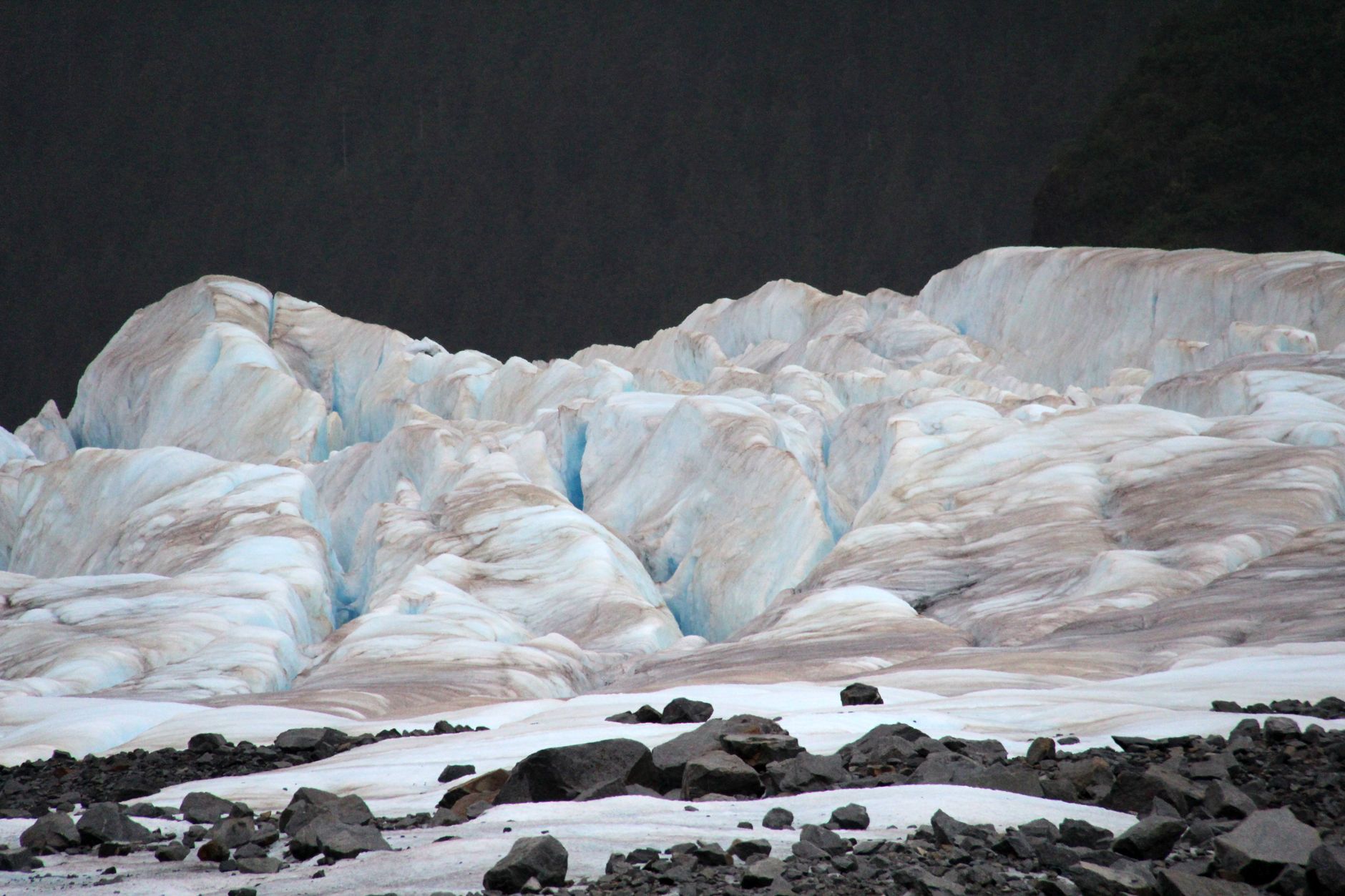
Alaska’s glaciers are proving to be highly sensitive to rising temperatures, with significant implications for the state’s ecosystems and global sea levels. Researchers have been using radar satellites to monitor over 3,000 glaciers in Alaska, and their findings are startling.
Glacier Melting on the Rise
The study found that every 1°C increase in average summer temperature extends glacier melting by about three weeks. This means that as temperatures continue to rise, glaciers in Alaska will melt for longer periods, leading to increased ice loss and potential sea level rise.
The impact of rising temperatures on glaciers is not limited to melting. Intense heat waves can also strip away protective snow cover, exposing ice much earlier than normal. This can lead to accelerated ice loss, as the exposed ice is more susceptible to melting.
Consequences of Ice Loss
The loss of glaciers in Alaska has significant implications for the state’s ecosystems. Glaciers play a crucial role in regulating water flows, and their loss can lead to changes in river flows and water quality. This can have a ripple effect throughout the ecosystem, impacting plants and animals that rely on these water sources.
In addition to the local ecosystem impacts, the loss of glaciers in Alaska also contributes to global sea level rise. As glaciers melt, they release freshwater into the oceans, contributing to rising sea levels. This can have significant implications for coastal communities and ecosystems around the world.
Monitoring Glacier Health
The use of radar satellites to monitor glaciers is a significant advancement in the field of glaciology. These satellites allow researchers to track changes in glacier extent and thickness over time, providing valuable insights into the health of these critical ecosystems.
By monitoring glacier health, researchers can better understand the impacts of climate change on these ecosystems. This information can be used to inform management decisions and develop strategies to mitigate the effects of climate change on glaciers and the ecosystems they support.
Future Implications
The findings of this study have significant implications for the future of Alaska’s glaciers. As temperatures continue to rise, it is likely that glacier melting will increase, leading to accelerated ice loss and potential sea level rise.
Some of the key questions to watch in the coming years include:
- How will continued temperature increases impact glacier melting and ice loss in Alaska?
- What are the potential ecosystem implications of glacier loss, and how can they be mitigated?
- How can radar satellite technology be used to inform management decisions and develop strategies to protect glaciers and the ecosystems they support?
As researchers continue to study the impacts of climate change on Alaska’s glaciers, it is clear that these ecosystems are highly sensitive to rising temperatures. The findings of this study highlight the need for continued monitoring and research to better understand the implications of glacier loss and to develop strategies to mitigate its effects.
Source: sciencedaily.com.






Be First to Comment