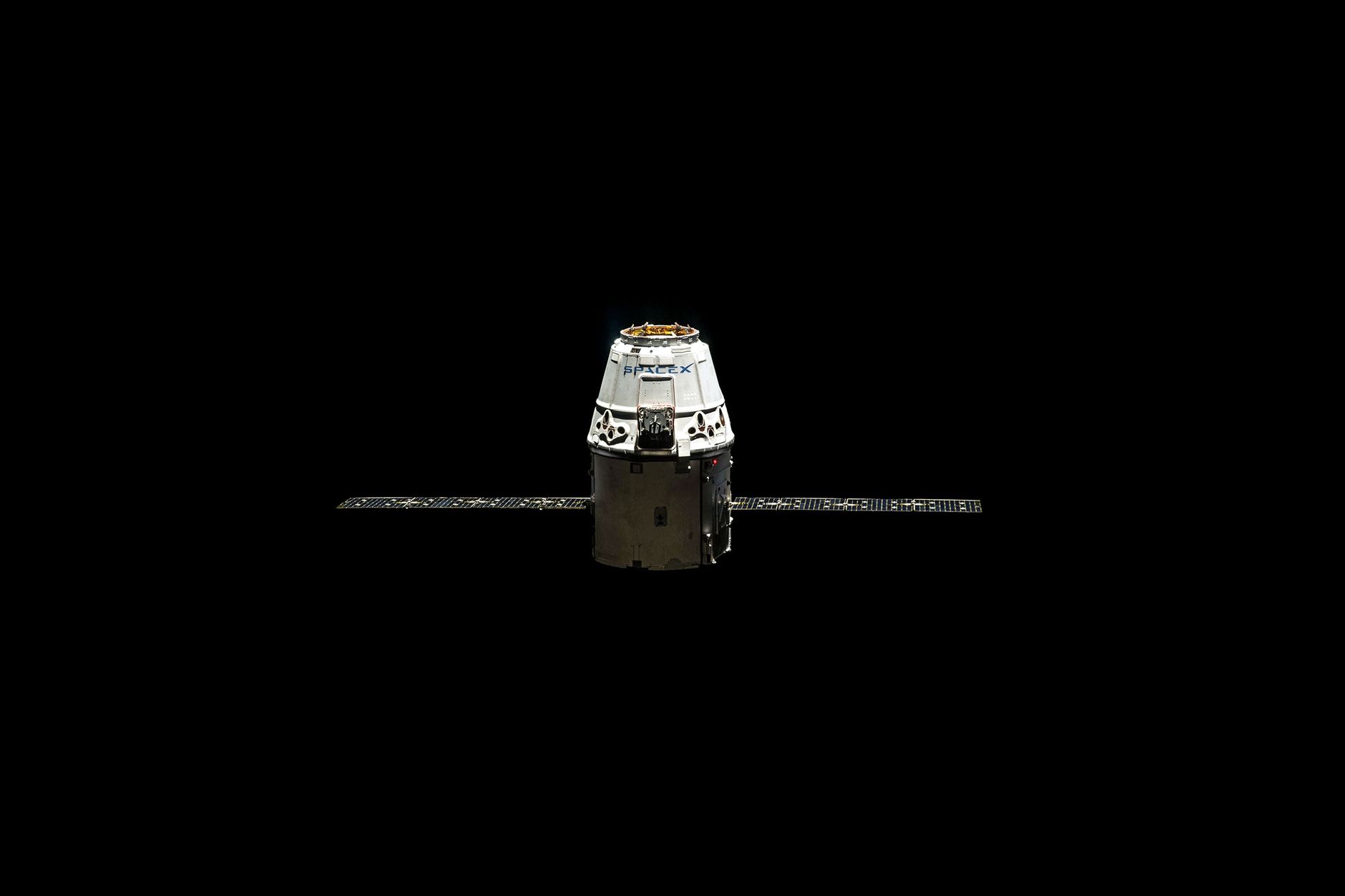
The International Space Station is a hub of scientific research and experimentation, and the latest cargo shipment from SpaceX is no exception. On June 16, the SpaceX Dragon cargo spacecraft will depart the space station, carrying thousands of pounds of cargo, including scientific research samples and hardware that could shape future space exploration and life on Earth.
Space Station Research and Cargo
The Dragon spacecraft arrived at the space station on May 17, carrying nearly 6,500 pounds of food, supplies, and equipment for the Expedition 74 crew. The spacecraft will return to Earth with a variety of cargo, including bioprinted organ and cartilage tissue, data on improving cryogenic fuel storage for future space missions, and DNA-inspired materials to develop new cancer treatments.
Other returning hardware includes an ocular imaging device used to monitor crew members’ eye health, an absorbent bed that filters trace contaminants from cabin air, and a separator pump from the waste and hygiene compartment. These research samples and hardware will provide valuable insights into the effects of microgravity on the human body and the development of new technologies for space exploration.
SpaceX Dragon Departure and Return
The Dragon spacecraft will undock from the forward port of the station’s Harmony module at about 12:05 p.m. EDT on June 16, after receiving a command from SpaceX ground controllers. The spacecraft will then fire its thrusters to move safely away from the orbiting complex.
Following its departure from the space station, the Dragon spacecraft will reenter Earth’s atmosphere on June 17, before splashing down off the coast of California at approximately 5:08 a.m. PDT. While NASA will not stream the splashdown, the agency will post updates on its space station blog.
International Space Station and Future Space Exploration
The International Space Station has been continuously occupied by astronauts and cosmonauts for over 25 years, providing a unique laboratory for scientific research and experimentation. The space station helps NASA understand and overcome the challenges of human spaceflight, expand commercial opportunities in low Earth orbit, and build on the foundation for long-duration missions to the Moon and Mars.
The research and cargo being returned on the Dragon spacecraft are just a few examples of the many scientific experiments and technologies being developed on the space station. As NASA looks to the future of space exploration, the International Space Station will continue to play a critical role in advancing our understanding of space and developing the technologies needed for deep space missions.
Watching the SpaceX Dragon Departure
NASA will provide live coverage of the Dragon spacecraft’s departure from the space station, beginning at 11:45 a.m. EDT on June 16. The coverage will be available on NASA+, Amazon Prime, and the agency’s YouTube channel. For those interested in learning more about the space station and its research, NASA provides a variety of resources, including its space station blog and social media channels.
- Watch NASA’s live undocking coverage on NASA+, Amazon Prime, and YouTube
- Learn more about the International Space Station and its research on NASA’s website
- Follow NASA on social media for updates on the space station and its crew
The SpaceX Dragon’s return to Earth marks an important milestone in the ongoing research and experimentation being conducted on the International Space Station. As NASA continues to push the boundaries of space exploration, the scientific discoveries and technological advancements being made on the space station will play a critical role in shaping the future of space travel.
The Dragon spacecraft’s cargo is a testament to the importance of the space station as a hub of scientific research and experimentation. With its return to Earth, scientists and researchers will have the opportunity to study the effects of microgravity on a variety of materials and technologies, providing valuable insights into the development of new space-based technologies.
As the space station continues to orbit the Earth, it will remain a vital part of NASA’s plans for future space exploration. The agency’s Artemis program, which aims to return humans to the Moon by 2025, will rely heavily on the research and technologies being developed on the space station. The space station’s role in advancing our understanding of space and developing the technologies needed for deep space missions cannot be overstated.
In the coming years, NASA will continue to utilize the space station as a testbed for new technologies and scientific experiments. The agency will also work to expand commercial opportunities in low Earth orbit, providing new opportunities for private companies to develop and launch their own space-based technologies.
The SpaceX Dragon’s return to Earth is a reminder of the importance of the International Space Station and its role in advancing our understanding of space. As NASA continues to push the boundaries of space exploration, the space station will remain a critical part of the agency’s plans for the future.
The departure of the Dragon spacecraft from the space station is a significant event, marking the end of another successful resupply mission to the orbiting laboratory. As the spacecraft returns to Earth, it will carry with it a wealth of scientific data and research samples, providing valuable insights into the effects of microgravity on the human body and the development of new space-based technologies.
Source: nasa.gov.






Be First to Comment