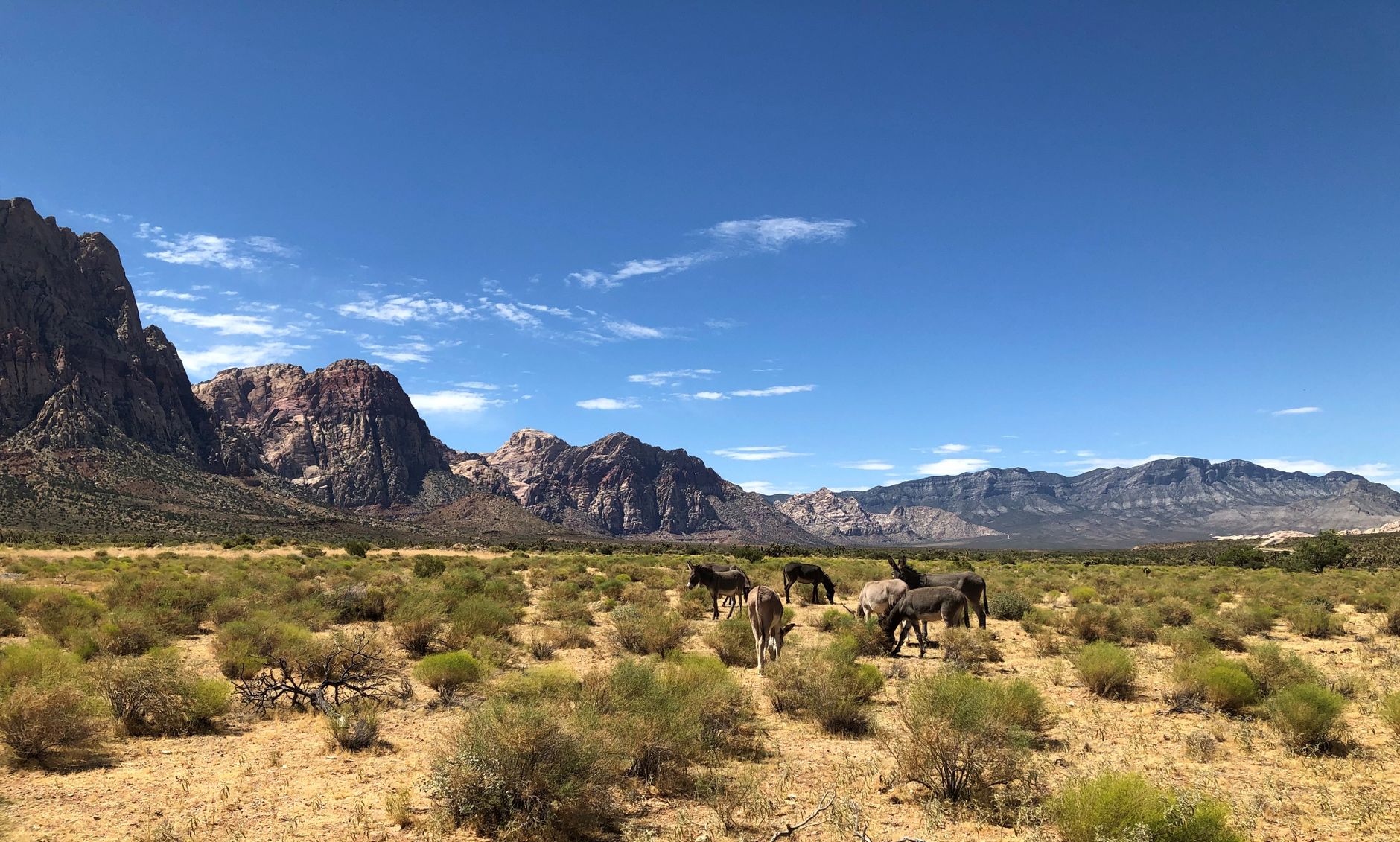
The federal government is rewriting its rules governing public lands grazing to increase the number of cattle, sheep, and other livestock grazing on 155 million acres in the West. Public lands grazing is overseen by a nearly century-old system that heavily subsidizes some of the wealthiest Americans while doing little to address its harms to the environment. The new rules being drafted by the US Department of the Interior’s Bureau of Land Management—the first overhaul since 1995—would instead expand the practice of public lands grazing.
Rangeland management experts say overgrazing has degraded public lands, causing soil erosion, water pollution, and loss of biodiversity. Despite these concerns, the new regulations aim to cut public involvement in land management decisions, sparking controversy among environmental groups and local communities.
History of Public Lands Grazing
Public lands grazing has a long and complex history in the United States. The practice dates back to the late 19th century, when the federal government began to open up public lands to ranching and farming. Over time, the government has implemented various regulations and policies to manage public lands grazing, including the Taylor Grazing Act of 1934 and the Federal Land Policy and Management Act of 1976.
Despite these efforts, public lands grazing remains a contentious issue, with many arguing that the practice is unsustainable and harmful to the environment. The new regulations being drafted by the Bureau of Land Management aim to address some of these concerns, but critics argue that they do not go far enough.
Impacts of Public Lands Grazing
The impacts of public lands grazing are far-reaching and multifaceted. Some of the key effects include:
- Soil erosion: Overgrazing can lead to soil erosion, as vegetation is removed and the soil is left exposed.
- Water pollution: Livestock can pollute water sources, including rivers, streams, and lakes.
- Loss of biodiversity: Public lands grazing can lead to the loss of native plant and animal species, as well as the degradation of ecosystems.
These impacts are not only environmental, but also economic and social. Public lands grazing can affect local communities, including indigenous peoples, who may rely on public lands for their livelihoods.
Controversy Surrounding the New Regulations
The new regulations being drafted by the Bureau of Land Management have sparked controversy among environmental groups and local communities. Critics argue that the regulations do not do enough to address the environmental impacts of public lands grazing, and that they cut public involvement in land management decisions.
Supporters of the regulations, on the other hand, argue that they are necessary to support the livestock industry and to promote economic growth. They argue that the regulations strike a balance between environmental protection and economic development.
Conclusion and Future Directions
The debate over public lands grazing is complex and contentious, with different stakeholders having different perspectives and interests. As the Bureau of Land Management continues to draft new regulations, it is essential to consider the impacts of public lands grazing on the environment, local communities, and the economy. By doing so, we can work towards a more sustainable and equitable management of public lands.
Source: arstechnica.com.





Be First to Comment