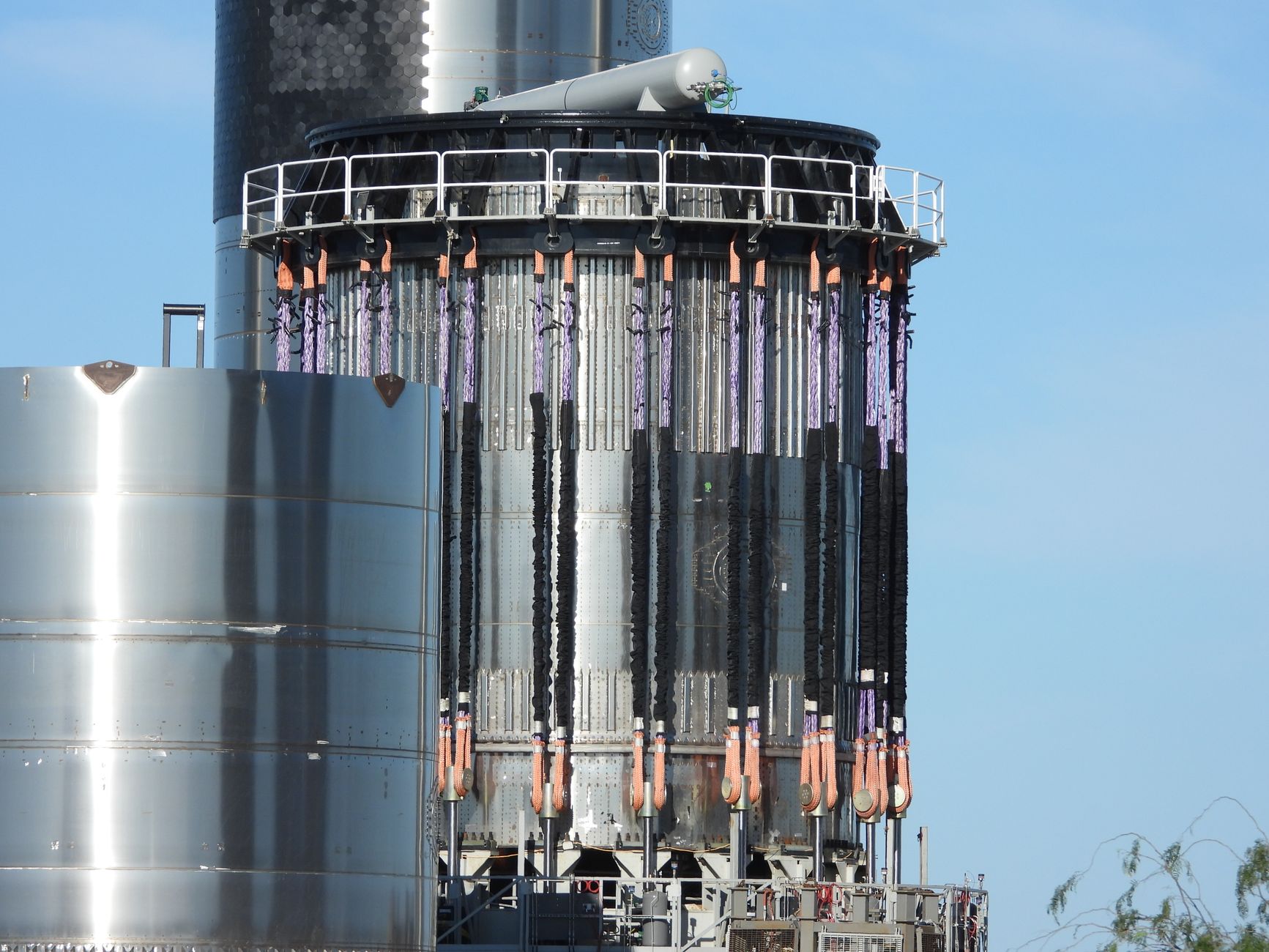
SpaceX, the private aerospace manufacturer and space transport services company founded by Elon Musk, has taken a significant step by becoming a publicly traded company. The company began trading on the NASDAQ exchange in New York City at $135 a share, valuing SpaceX at nearly $1.8 trillion. This move is expected to have a significant impact on the company’s future plans and operations.
Initial Public Offering (IPO) Success
The company’s shares performed well on the first day of trading, with the price increasing by more than 19 percent to $160.95 by the end of the day. This strong performance is a testament to the confidence investors have in SpaceX’s potential for growth and innovation. The company’s valuation is not only a reflection of its current achievements but also its potential for future success.
The successful IPO has also made Elon Musk the world’s first trillionaire, with his personal stake in the company valued at more than $700 billion. Additionally, thousands of current and former employees have become overnight millionaires due to the company’s stock options plan. This is a well-deserved reward for the hard work and dedication of SpaceX employees over the past 24 years.
SpaceX’s AI Potential
One of the key factors contributing to SpaceX’s high valuation is its potential in the field of artificial intelligence. The company has been investing heavily in AI research and development, with a focus on applying AI technologies to its space exploration and transportation services. This includes the use of AI in areas such as autonomous spacecraft navigation, predictive maintenance, and satellite communications.
The potential applications of AI in space exploration are vast and varied. For example, AI can be used to analyze large amounts of data from spacecraft and satellites, helping to identify patterns and trends that can inform future missions. AI can also be used to develop more efficient and effective propulsion systems, such as those using advanced ion engines or Hall effect thrusters.
Future Plans and Implications
Now that SpaceX is a publicly traded company, it is likely to face increased scrutiny and pressure to deliver on its promises. The company has ambitious plans for the future, including the development of a permanent, self-sustaining human presence on Mars and the establishment of a lunar base. These plans will require significant investment and innovation, but the potential rewards are substantial.
Some of the key questions to watch in the coming months and years include: How will SpaceX use its newfound funding to accelerate its development plans? How will the company balance its short-term financial obligations with its long-term strategic goals? And how will the company’s AI research and development efforts contribute to its overall success?
- Will SpaceX’s AI technologies be used to develop new space-based services, such as satellite communications or Earth observation?
- How will the company’s public listing affect its relationships with government agencies and other industry partners?
- What are the potential risks and challenges associated with SpaceX’s ambitious plans, and how will the company mitigate them?
Conclusion
SpaceX’s decision to go public is a significant milestone in the company’s history, and it marks an important step towards achieving its long-term goals. With its strong valuation and successful IPO, SpaceX is well-positioned to continue innovating and pushing the boundaries of space exploration and development. As the company looks to the future, it will be important to watch how it balances its financial obligations with its strategic ambitions, and how it uses its AI research and development efforts to drive growth and success.
Source: arstechnica.com.






Be First to Comment