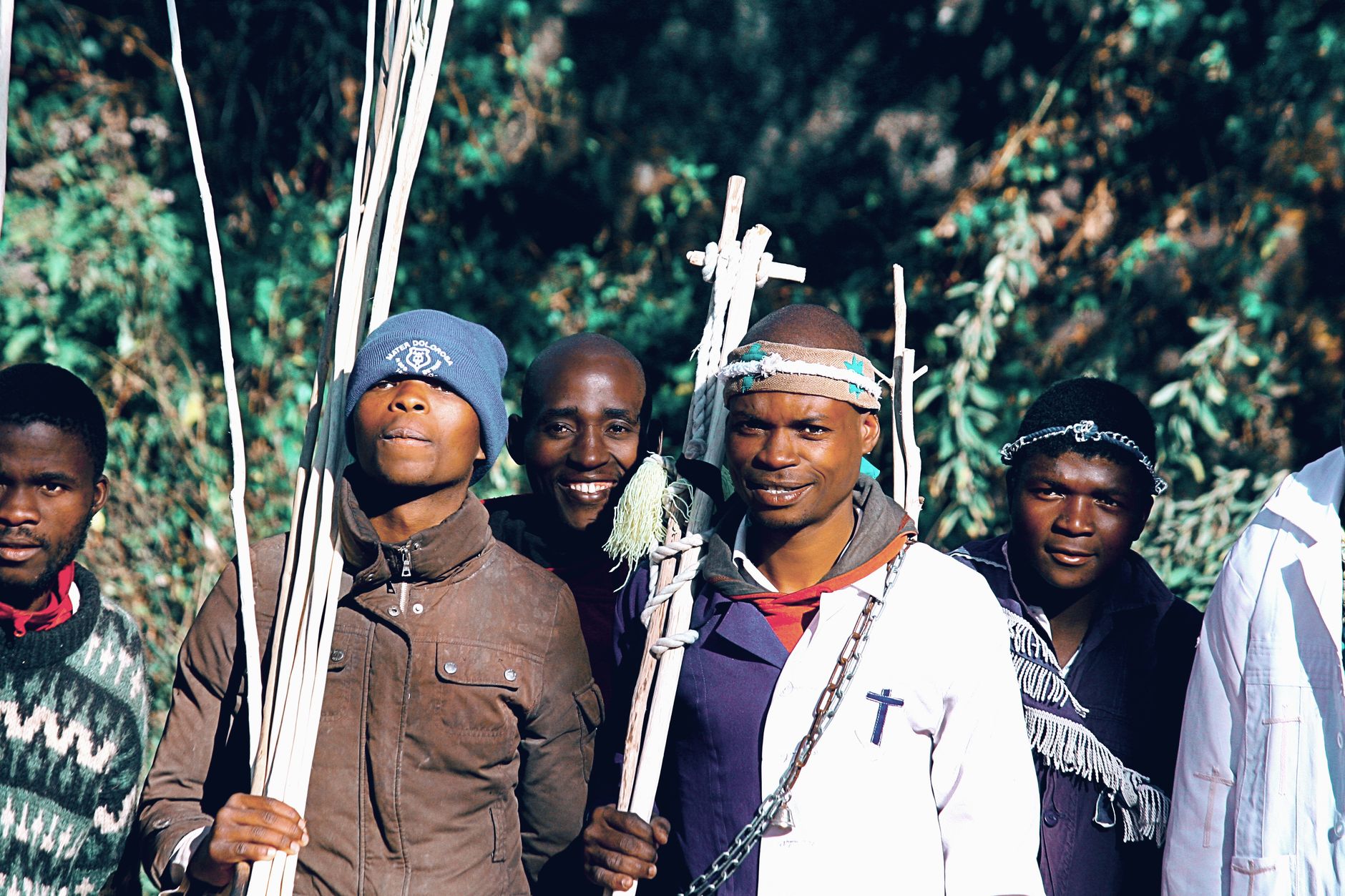
South african migrants have been warned as thousands of people from other African countries have left South Africa ahead of Tuesday’s deadline set by anti-migrant groups. The situation has sparked concerns over xenophobia and migrant rights in the country. South african migrants have been facing increased hostility and violence in recent years, with many being forced to flee their homes and businesses.
The deadline, which was set by anti-migrant groups, has been widely condemned by human rights organizations and the government. Despite this, many migrants have chosen to leave the country rather than risk being targeted by violent protests. The exodus has raised concerns about the impact on the economy and the social fabric of the country.
Background to the Crisis
The current crisis facing south african migrants is not a new phenomenon. Xenophobia and anti-migrant sentiment have been on the rise in South Africa for many years, with many migrants being targeted and attacked. The situation has been exacerbated by high levels of unemployment and poverty, which have created an environment in which migrants are often scapegoated for the country’s economic problems.
Despite the challenges they face, many migrants have made significant contributions to the South African economy. They have started businesses, created jobs, and helped to stimulate economic growth. However, their contributions are often overlooked, and they are instead viewed with suspicion and hostility.
The Impact of the Deadline
The deadline set by anti-migrant groups has had a significant impact on the lives of south african migrants. Many have been forced to leave their homes and businesses, and are now struggling to survive in other countries. The situation has also had a negative impact on the South African economy, with many businesses being forced to close due to the loss of migrant workers.
The following are some of the key issues facing south african migrants:
- Xenophobia and anti-migrant sentiment
- Violence and intimidation
- Lack of access to basic services such as healthcare and education
- Difficulty in accessing the job market and starting businesses
- Lack of protection from the government and law enforcement agencies
The situation facing south african migrants is complex and multifaceted. It requires a comprehensive and nuanced approach that takes into account the many different factors that are driving xenophobia and anti-migrant sentiment. The government, civil society, and the private sector all have a role to play in addressing the crisis and promoting a more inclusive and welcoming environment for migrants.
Implications and Questions to Watch
The crisis facing south african migrants has significant implications for the country and the region as a whole. It raises important questions about the role of migrants in the economy, the impact of xenophobia and anti-migrant sentiment, and the responsibility of governments to protect the rights of all individuals, regardless of their nationality. As the situation continues to unfold, it will be important to watch the following:
The response of the government to the crisis, and the measures it takes to protect the rights of migrants. The impact of the deadline on the economy and the social fabric of the country. The role of civil society and the private sector in promoting a more inclusive and welcoming environment for migrants. The potential for the crisis to spread to other countries in the region, and the implications this could have for regional stability and security.
Conclusion
The crisis facing south african migrants is a complex and challenging issue that requires a comprehensive and nuanced approach. It is a situation that has significant implications for the country and the region as a whole, and one that raises important questions about the role of migrants in the economy, the impact of xenophobia and anti-migrant sentiment, and the responsibility of governments to protect the rights of all individuals, regardless of their nationality. As the situation continues to unfold, it will be important to watch the response of the government, the impact on the economy and social fabric, and the role of civil society and the private sector in promoting a more inclusive and welcoming environment for migrants.
Source: bbc.co.uk.




Be First to Comment