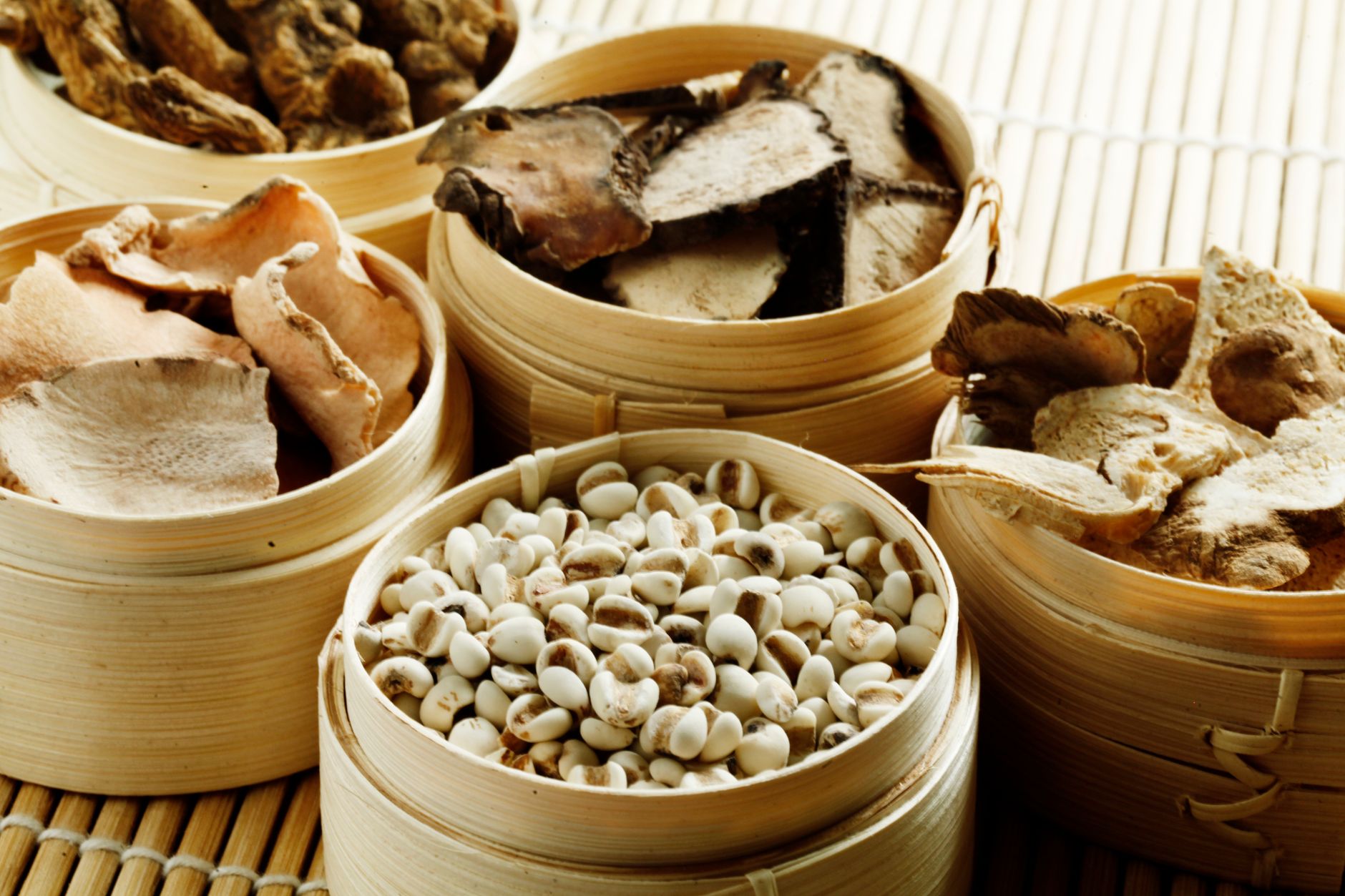
Ancient Chinese medicine could transform hair loss treatment, as a traditional medicinal root used for over a thousand years is attracting new scientific attention for its potential to combat this common affliction. The root in question, Polygonum multiflorum, has been a staple of traditional Chinese medicine for centuries, with recorded use dating back to the Tang Dynasty. Also known as He Shou Wu, or "Mr. He's Black Hair," the root has long been believed to have restorative properties, particularly with regards to hair growth and overall vitality. Recent studies have shed new light on the potential benefits of Polygonum multiflorum, suggesting that it could block harmful hormones, activate hair-growth signals, protect follicles, and boost blood flow to the scalp.
The history of Polygonum multiflorum is deeply rooted in traditional Chinese medicine, where it has been used to treat a variety of ailments, including hair loss, graying, and other signs of aging. According to ancient texts, the root was first used by a Chinese herbalist named Mr. He, who reportedly used it to restore his own hair and vitality. From there, the root gained popularity throughout China, where it was used in a variety of medicinal preparations, including teas, tinctures, and topical applications. Despite its long history of use, however, Polygonum multiflorum has only recently begun to attract attention from the Western scientific community, where its potential benefits are being studied and verified through rigorous clinical trials.
One of the key factors driving interest in Polygonum multiflorum is its apparent ability to block the effects of dihydrotestosterone (DHT), a hormone that is known to contribute to hair loss. DHT is a potent form of testosterone that is produced in the body, where it binds to androgen receptors in the scalp, leading to the miniaturization of hair follicles and eventual hair loss. By blocking the effects of DHT, Polygonum multiflorum may be able to prevent or even reverse this process, allowing for the growth of new, healthy hair. Additionally, the root appears to activate hair-growth signals, protecting follicles and boosting blood flow to the scalp. These effects align remarkably well with both ancient descriptions and modern hair biology, suggesting that the traditional uses of Polygonum multiflorum may have been more than just anecdotal.
The implications of this research are significant, particularly for the millions of people around the world who suffer from hair loss. Currently, treatment options for hair loss are limited, and often involve the use of harsh chemicals or invasive surgical procedures. The potential for a natural, non-invasive treatment like Polygonum multiflorum is therefore highly appealing, particularly if it can be shown to be safe and effective. Further research is needed to fully understand the effects of the root and to develop it into a viable treatment option. However, the preliminary results are promising, and suggest that Polygonum multiflorum could play an important role in the development of new hair loss treatments.
As researchers continue to study the effects of Polygonum multiflorum, they are also working to develop new formulations and delivery methods that can maximize its potential benefits. This may involve the creation of topical creams or serums, as well as oral supplements that can be taken to support overall hair health. Additionally, scientists are exploring the potential synergies between Polygonum multiflorum and other natural compounds, which may be able to enhance its effects or provide additional benefits. While more research is needed to fully realize the potential of Polygonum multiflorum, the current findings are highly encouraging, and suggest that this ancient Chinese medicinal root could play a major role in the future of hair loss treatment. With its long history of traditional use and its apparent alignment with modern hair biology, Polygonum multiflorum is an exciting example of how ancient knowledge can be leveraged to drive innovation and improve human health.
Additional reporting via www.sciencedaily.com






Be First to Comment