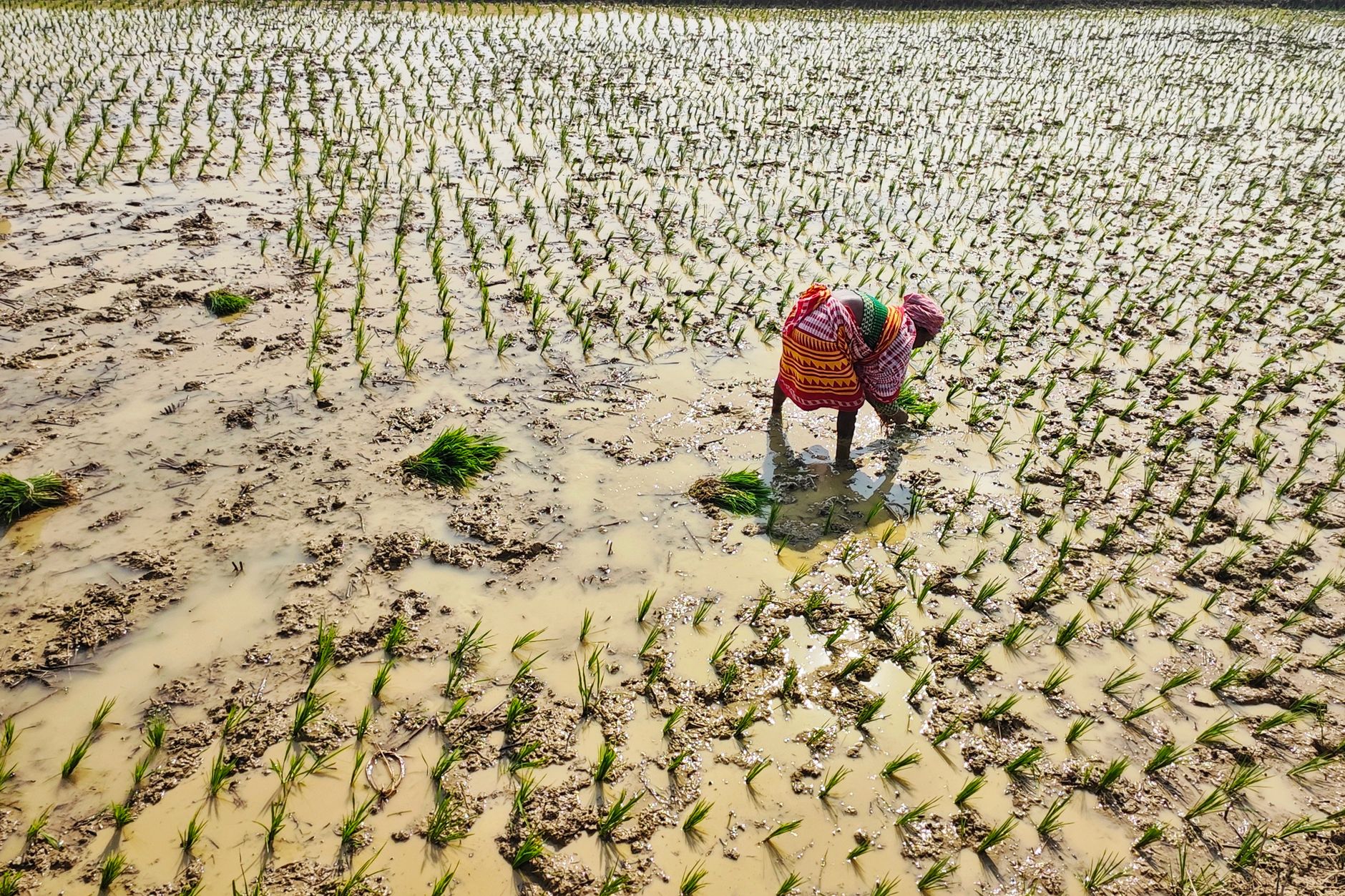
India monsoon season has begun, but the country is experiencing its driest June in over a decade, sparking concerns about the impact on farm output. Weaker monsoon rains are likely to affect the country’s grain production, but the government has assured that it has enough grain stocks to deal with any shortages.
The monsoon season is crucial for India’s agriculture sector, with nearly 60% of the country’s farmland relying on rainwater for irrigation. The dry spell has already started to affect crop yields, with farmers struggling to plant and harvest their crops.
India Monsoon and Farming
The India monsoon season is not just important for the country’s agriculture sector, but also for its economy. The sector accounts for nearly 15% of the country’s GDP and employs over 50% of the workforce. A poor monsoon season can have a significant impact on the country’s economy, leading to higher food prices and reduced economic growth.
The government has been working to mitigate the effects of the dry spell, with measures such as providing drought-resistant seeds to farmers and implementing water conservation programs. However, more needs to be done to address the long-term impacts of climate change on the country’s agriculture sector.
Climate Change and India Monsoon
Climate change is having a significant impact on the India monsoon season, with rising temperatures and changing precipitation patterns affecting the country’s agriculture sector. The country is experiencing more frequent and severe droughts, as well as floods, which are affecting crop yields and food security.
The Indian government has been working to address the impacts of climate change on the country’s agriculture sector, with initiatives such as the National Action Plan on Climate Change. The plan aims to promote sustainable agriculture practices, improve water management, and enhance the resilience of the agriculture sector to climate change.
Impacts on Food Security
The India monsoon season has a significant impact on the country’s food security, with the sector accounting for nearly 50% of the country’s food production. A poor monsoon season can lead to reduced crop yields, higher food prices, and reduced food availability.
- Reduced crop yields: A poor monsoon season can lead to reduced crop yields, affecting the country’s food production and availability.
- Higher food prices: A poor monsoon season can lead to higher food prices, affecting the country’s food security and affordability.
- Reduced food availability: A poor monsoon season can lead to reduced food availability, affecting the country’s food security and nutrition.
The government has been working to address the impacts of the dry spell on the country’s food security, with measures such as providing food subsidies to vulnerable populations and implementing programs to promote sustainable agriculture practices.
Conclusion and Future Outlook
The India monsoon season is a critical component of the country’s agriculture sector, and its impact on the sector cannot be overstated. The government and other stakeholders must work together to address the long-term impacts of climate change on the country’s agriculture sector, promoting sustainable agriculture practices, improving water management, and enhancing the resilience of the sector to climate change.
Source: bbc.co.uk.






Be First to Comment