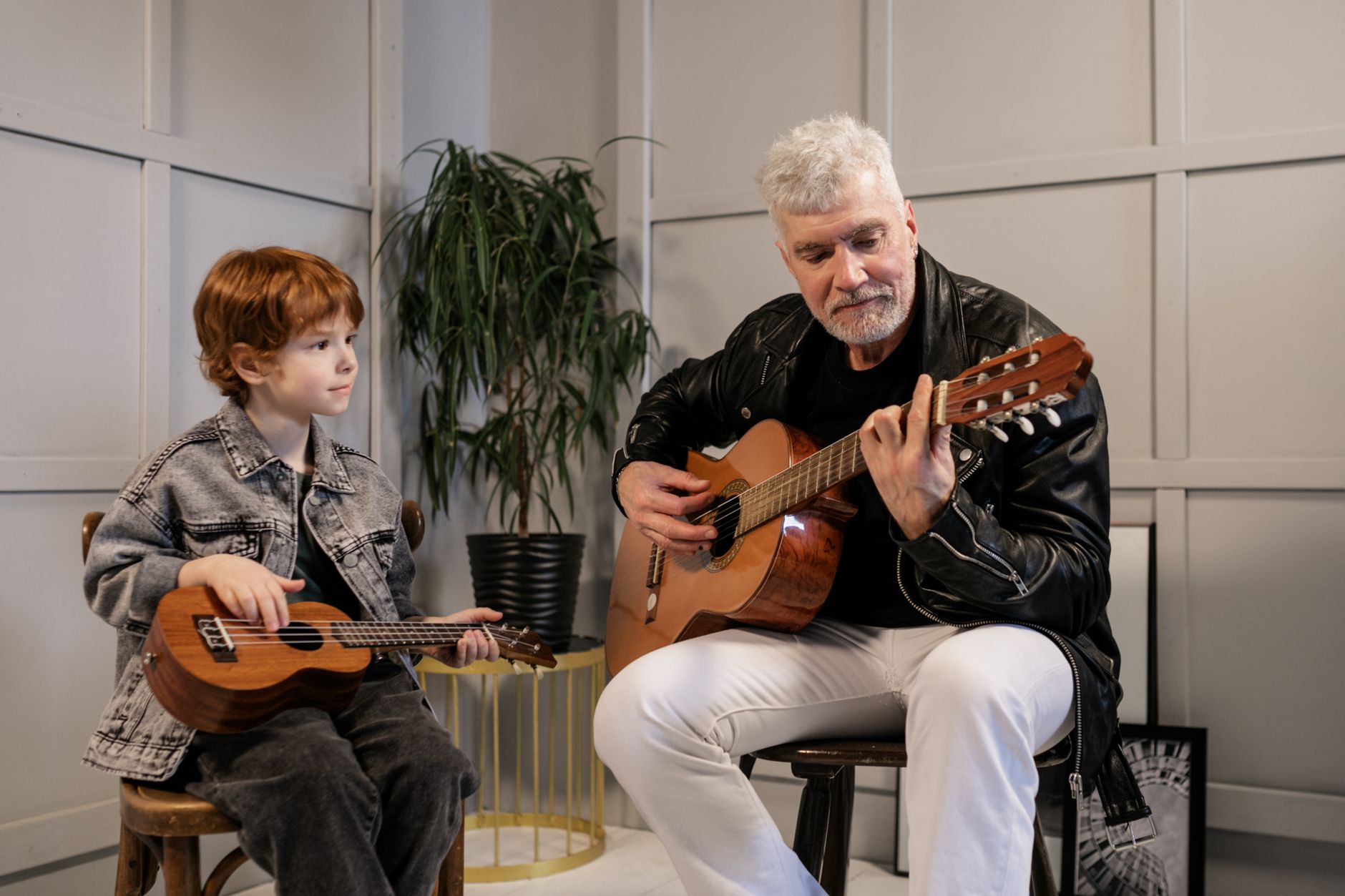
As people age, they often experience a decline in cognitive abilities, including memory. However, recent studies have shown that engaging in certain activities can help to mitigate this decline and even promote brain health. One such activity is learning a musical instrument, which has been found to have a positive impact on memory and cognitive function in older adults.
Introduction to the Study
A four-year study examined the effects of musical instrument learning on cognitive function in older adults. The study found that those who continued to practice their instrument over the course of the study maintained their memory performance and showed less age-related brain shrinkage than those who quit. This suggests that learning a musical instrument later in life may be a valuable tool for promoting brain health and reducing the risk of age-related cognitive decline.
Cognitive Benefits of Music
Music has long been recognized as having a positive impact on cognitive function. It has been shown to improve memory, language skills, and spatial-temporal skills, among other benefits. The cognitive benefits of music are thought to be due to the complex cognitive processes involved in music perception and production, which engage multiple areas of the brain. When older adults learn a musical instrument, they are challenging their brains and promoting neural plasticity, which can help to build cognitive reserve and reduce the risk of age-related cognitive decline.
Brain Regions Affected
The study found that the benefits of musical instrument learning were especially noticeable in brain regions tied to memory and learning. These regions, which include the hippocampus and the prefrontal cortex, are critical for forming and retrieving memories, and are often affected by age-related cognitive decline. The fact that musical instrument learning was found to have a positive impact on these regions suggests that it may be a valuable tool for promoting brain health and reducing the risk of age-related cognitive decline.
Other brain regions that are affected by musical instrument learning include those involved in motor control, hearing, and vision. The complex motor movements involved in playing a musical instrument, such as finger movements on a keyboard or bowing a violin, require coordination and practice, which can help to promote neural plasticity and build cognitive reserve. Additionally, the auditory and visual components of music perception and production engage multiple areas of the brain, including those involved in attention, perception, and memory.
Implications and Future Directions
The findings of this study have important implications for the promotion of brain health and the prevention of age-related cognitive decline. They suggest that learning a musical instrument later in life may be a valuable tool for maintaining cognitive function and promoting neural plasticity. Additionally, the study highlights the importance of continued practice and engagement in musical activities, as those who quit playing their instrument over the course of the study did not experience the same level of cognitive benefits as those who continued to practice.
Further research is needed to fully understand the cognitive benefits of musical instrument learning in older adults. Studies should examine the effects of different types of musical instruments and learning methods, as well as the impact of musical instrument learning on other aspects of cognitive function, such as language skills and spatial-temporal skills. Additionally, researchers should investigate the potential therapeutic applications of musical instrument learning for older adults, including its use as a tool for promoting brain health and reducing the risk of age-related cognitive decline.
- Learning a musical instrument can help to promote brain health and reduce the risk of age-related cognitive decline.
- Continued practice and engagement in musical activities is important for maintaining cognitive benefits.
- Further research is needed to fully understand the cognitive benefits of musical instrument learning in older adults.
Source: sciencedaily.com.





Be First to Comment