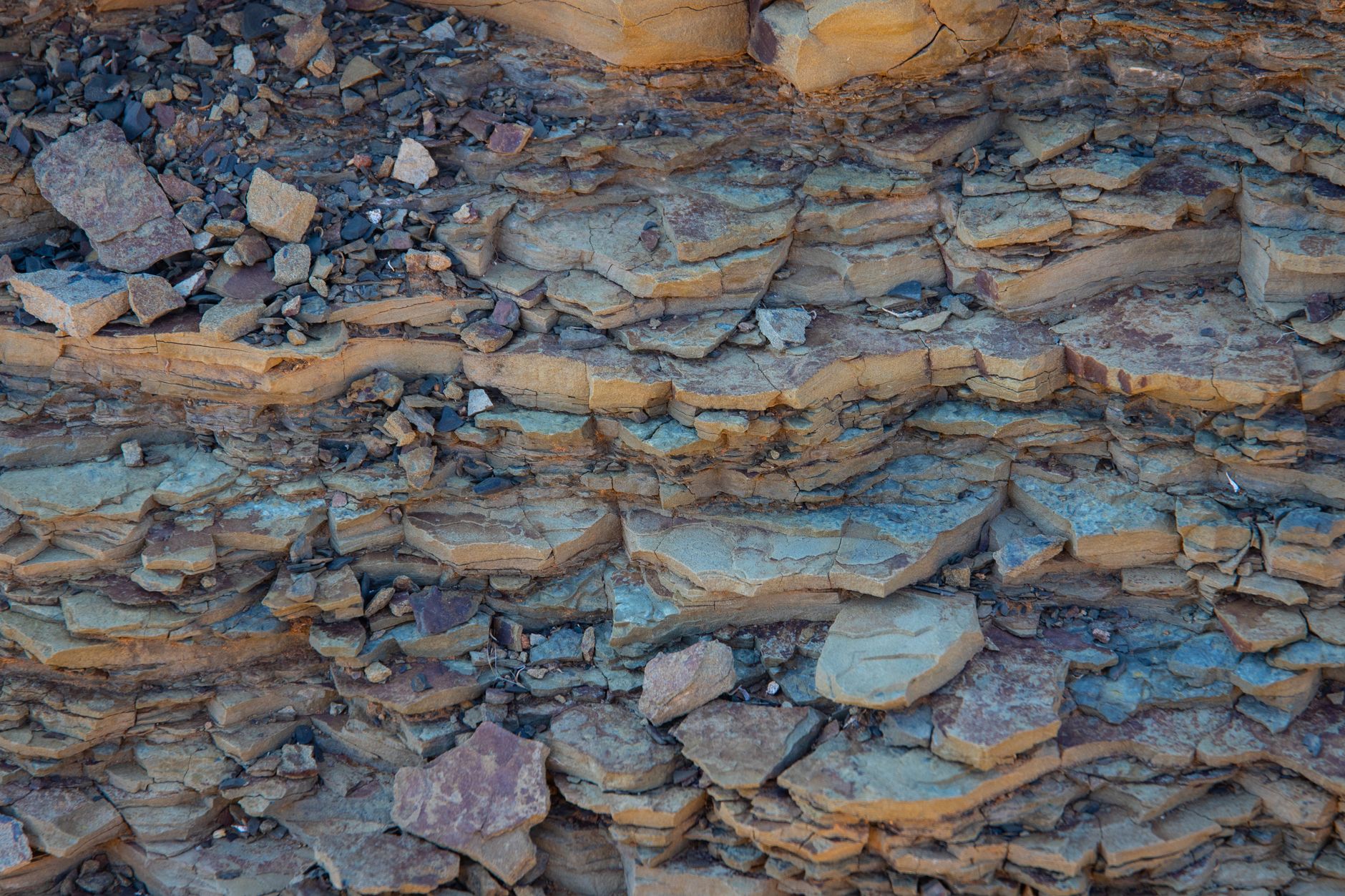
The process of continental formation is a complex and still somewhat mysterious process that has shaped the surface of our planet over billions of years. Continental formation refers to the process by which the continents that we know today were formed. The continents started appearing around about four billion years ago—that’s the oldest continental rock we know about. The Earth is four and a half billion years old, so why they started appearing then is unknown, as is the mechanism to make that continental crust.
Despite decades of research, geologists still don’t agree on how the continents were formed. The problem with studying the formation of continents is that the geological evidence of this process is almost gone. The oldest known continental-type rocks crystallized around 4.03 billion years ago, right at the end of the Hadean eon.
Continental Formation Theories
There are several theories about the formation of continents, but none of them have been proven conclusively. One theory is that the continents were formed through a process of plate tectonics, where the Earth’s crust is broken up into large plates that move and interact with each other. Another theory is that the continents were formed through a process of mantle plumes, where hot material from the Earth’s core rises to the surface and creates volcanic activity.
Recently, a new theory has emerged that suggests that the formation of continents was caused largely by an intense, sustained barrage of asteroid impacts that kept the early crust hot and thin enough to make buoyant continents possible. This theory is still highly speculative, but it has sparked a lot of interest and debate in the scientific community.
Geological Evidence
The geological evidence for the formation of continents is limited, but it does provide some clues about the process. The oldest known continental-type rocks are found in Western Australia and date back to around 4.03 billion years ago. These rocks are thought to have formed through a process of magmatic activity, where magma from the Earth’s core rose to the surface and solidified.
Rare basaltic rocks date back about 4.2 billion years, and a handful of the oldest zircon crystals push the record back to 4.4 billion years. Beyond that, there’s hardly anything else. So, scientists looking into the origin of continents had to rely largely on educated guesses.
Implications of Continental Formation
The formation of continents has had a profound impact on the Earth’s surface and the development of life. The continents have played a crucial role in shaping the Earth’s climate, with the formation of mountain ranges and the creation of ocean currents. The continents have also provided a habitat for a wide range of plant and animal species, and have played a key role in the development of human civilization.
- The formation of continents has shaped the Earth’s surface over billions of years
- The continents have played a crucial role in shaping the Earth’s climate
- The continents have provided a habitat for a wide range of plant and animal species
Questions to Watch
Despite the progress that has been made in understanding the formation of continents, there are still many questions that remain unanswered. What was the exact mechanism by which the continents were formed? What role did asteroid impacts play in the formation of continents? How did the formation of continents impact the development of life on Earth? These are just a few of the questions that scientists will be seeking to answer in the coming years.
Source: arstechnica.com.






Be First to Comment