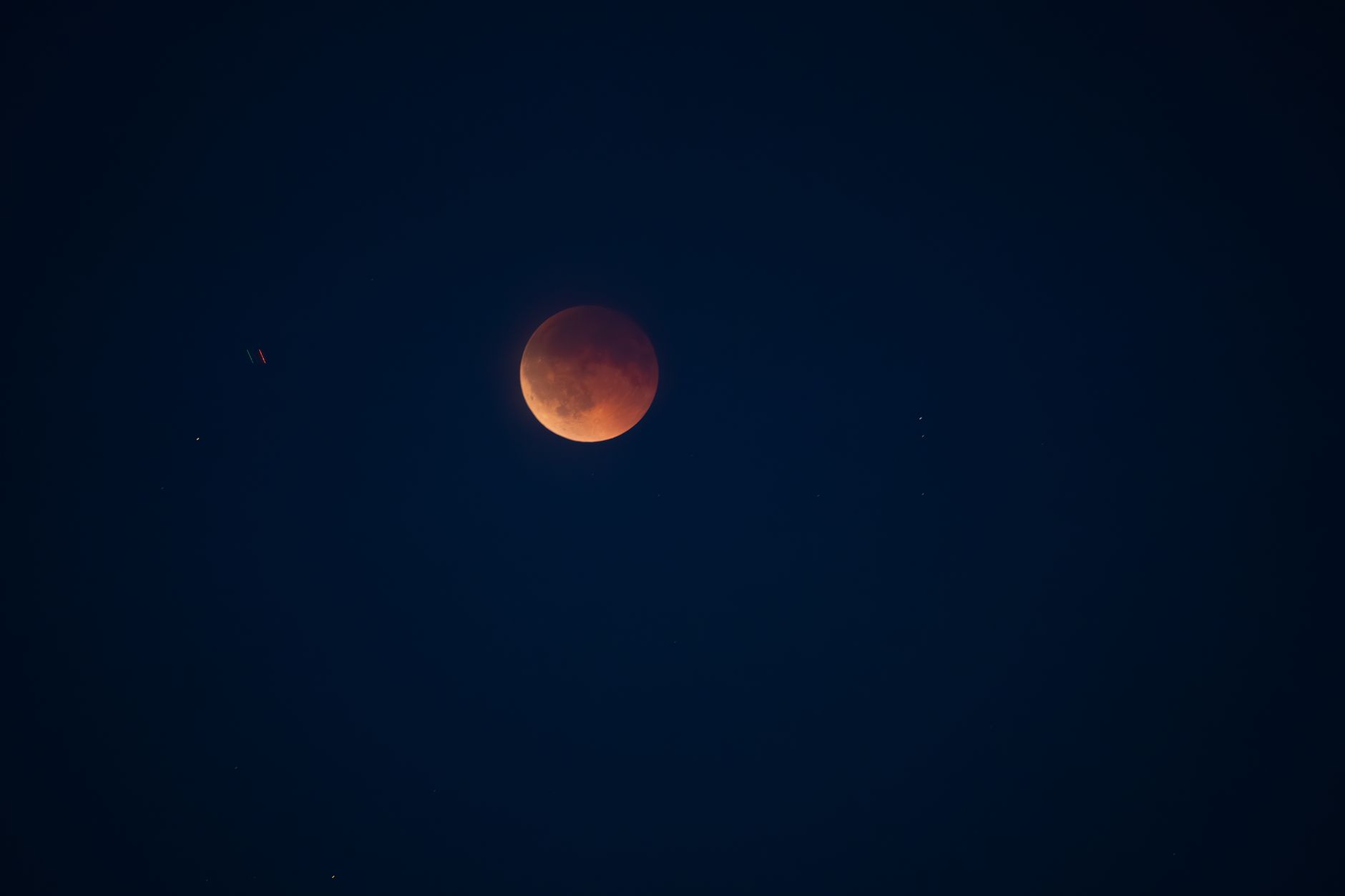
This month, july skywatching is set to be an exciting experience, with several notable events taking place. A predawn moon-and-planets meetup, a returning comet, and a great chance to see the Milky Way are just a few of the highlights. The moon, Mars, Saturn, and Uranus will align in the eastern sky on July 11 and 12, making for a spectacular sight.
The waning crescent moon will help point the way to Mars, with Saturn shining nearby in the morning sky. Uranus is also in the same general part of the sky, but it is much fainter, so you will need binoculars or a telescope to see it.
july skywatching Highlights
On July 14, Comet 10P/Tempel 2 will swing by, offering a great opportunity for stargazers to catch a glimpse of this short-period comet. The comet returns to the inner solar system on a regular orbit, approximately every 5½ years.
To view the comet, head somewhere dark, away from city lights, and start looking once the sky is fully dark, ideally about 45 to 60 minutes after sunset. You can find the constellation Capricornus and look for a small fuzzy glow nearby, possibly with a brighter central knot and a short, broad, fan-shaped tail.
Viewing the Milky Way
The same dark nights around the July 14 New Moon are also the best time this month to look for the Milky Way. From a dark location, away from city lights, the Milky Way appears as a pale, cloudy band across the summer sky.
The bright, cloudy region of the Milky Way marks the direction of the galactic center. It looks so dense because we’re looking toward one of the most crowded parts of our galaxy, where countless stars glow behind dark clouds of cosmic dust.
- Look low in the southern sky for a group of stars shaped like a big hook or scorpion tail, which is Scorpius.
- The bright, cloudy part of the Milky Way is nearby, close to another group of stars called Sagittarius.
- Give your eyes time to adjust, and try not to look at your phone to get the best view of the Milky Way.
Saturn’s Rings
Late in the evening, Saturn is a rewarding target for telescope users. Saturn’s rings are still tilted at a very shallow angle from our point of view, making them look unusually thin.
The rings aren’t disappearing, but how they appear from Earth is changing. It’s a great reminder that our view of the solar system is always in motion. Saturn is famous for the intriguing rings that encircle it, which change as Saturn orbits the Sun.
Conclusion
In conclusion, july skywatching has a lot to offer, from a predawn moon-and-planets meetup to a returning comet and a great chance to see the Milky Way. With these expert tips from NASA, you can make the most of this month’s celestial events and enjoy the beauty of the night sky.
Source: science.nasa.gov.






Be First to Comment