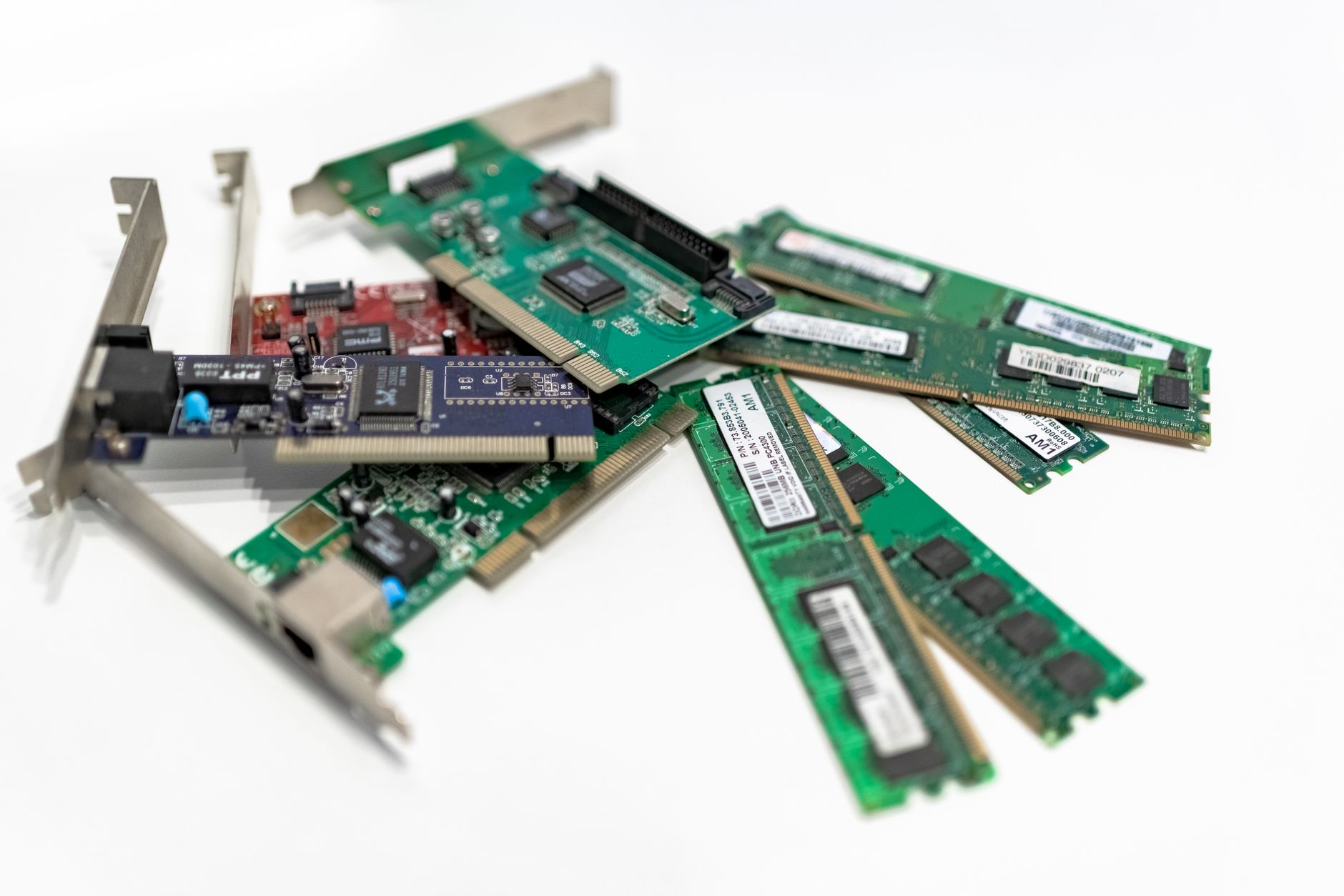
South Korea is set to spend $1 trillion on memory chip production and humanoid robots, a move that could significantly bolster the global memory chip supply. The investment, announced by the South Korean government and top tech companies, aims to build new AI data centers and spur commercial deployment of humanoid robots by 2028. Memory chip production has become a critical component in the tech industry, with companies such as Samsung and SK Hynix enjoying record profits and stock valuations due to the AI industry’s demand for memory chips.
The subsequent supply strain has led to memory chip shortages and higher prices for consumer electronics. However, with this significant investment, South Korea is poised to become a leader in the global memory chip market. The country’s commitment to memory chip production and humanoid robots is a strategic move to secure its position in the tech industry.
Memory Chip Production and the Global Supply Chain
The global memory chip market has experienced significant growth in recent years, driven by the increasing demand for AI and other technologies that rely on memory chips. However, the supply chain has struggled to keep up with this demand, leading to shortages and price increases. South Korea’s investment in memory chip production is expected to help alleviate these shortages and provide a more stable supply chain for tech companies.
The investment will also have a positive impact on the global economy, as a more stable supply chain will lead to lower prices for consumer electronics and other products that rely on memory chips. Additionally, the creation of new jobs in the tech industry will contribute to economic growth and development.
The Role of Humanoid Robots in the Tech Industry
Humanoid robots are expected to play a significant role in the tech industry, particularly in the manufacturing sector. Hyundai Motor Company is already working on mass manufacturing humanoid robots developed by its subsidiary, Boston Dynamics. These robots will be used to take over certain laborious tasks in automotive factories and other workplaces, increasing efficiency and productivity.
The use of humanoid robots in the tech industry will also lead to the creation of new jobs, as companies will need to hire workers to maintain and operate these robots. Furthermore, the development of humanoid robots will drive innovation and investment in the tech industry, leading to the creation of new products and services.
Key Benefits of the Investment
- Increased memory chip production to meet growing demand
- Improved supply chain stability and reduced prices for consumer electronics
- Creation of new jobs in the tech industry
- Increased efficiency and productivity in manufacturing sector
- Driving innovation and investment in the tech industry
The investment in memory chip production and humanoid robots is a significant step forward for South Korea and the tech industry. With the potential to bolster the global memory chip supply and drive innovation, this investment is expected to have a positive impact on the global economy and the tech industry as a whole.
Conclusion and Future Outlook
In conclusion, South Korea’s $1 trillion investment in memory chip production and humanoid robots is a strategic move to secure its position in the tech industry. With the potential to bolster the global memory chip supply and drive innovation, this investment is expected to have a positive impact on the global economy and the tech industry. As the tech industry continues to evolve, it will be important to watch how this investment plays out and what impact it will have on the global supply chain and the economy.
Source: arstechnica.com.






Be First to Comment