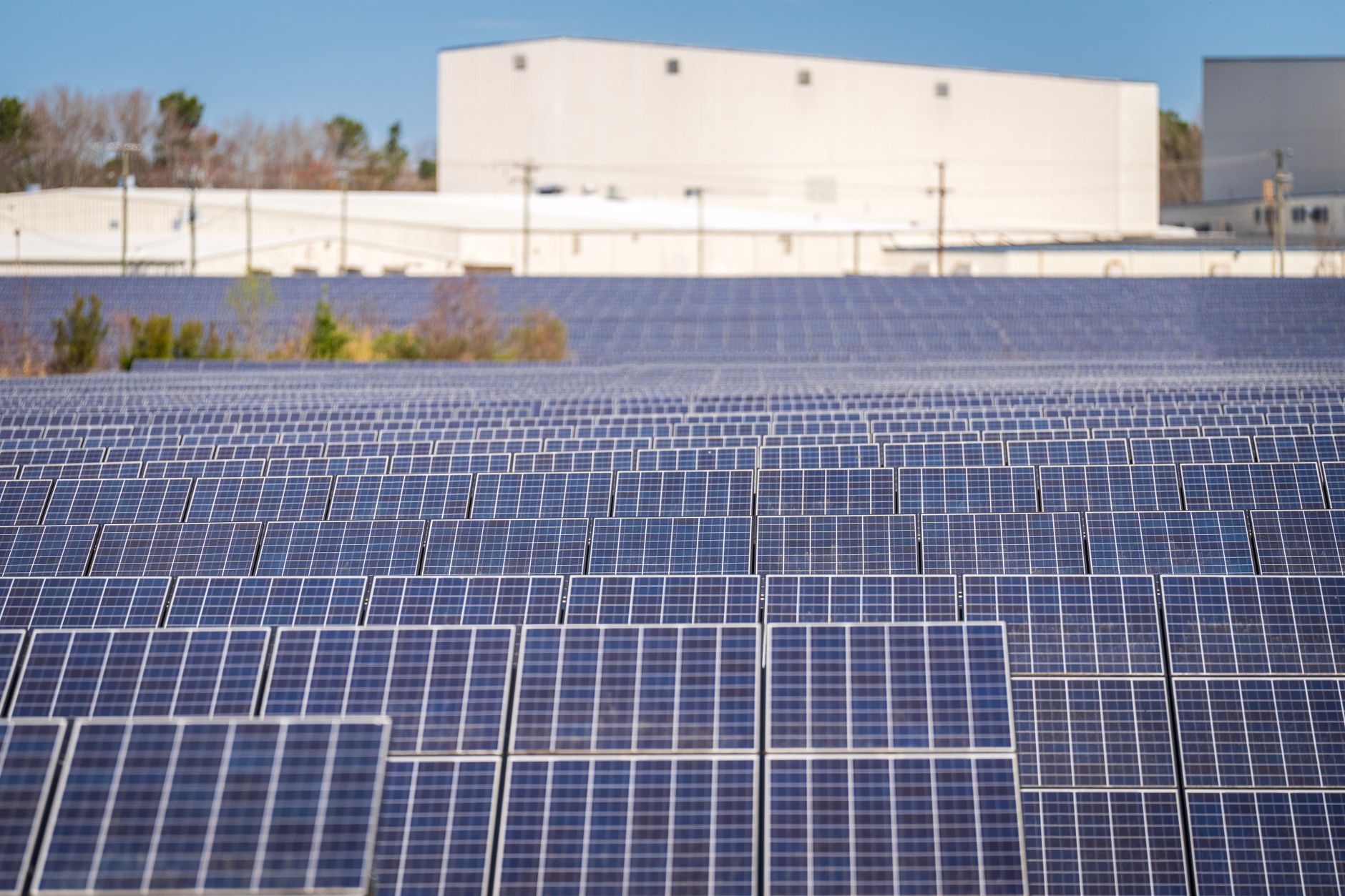
The US renewable energy boom has reached a significant milestone in April 2026, with solar power outproducing coal for the first time. Solar power has become a major contributor to the US grid, driven by its position as the cheapest way to add generating capacity in most of the US. The preliminary data suggests that May 2026 saw solar power pass coal-fired generation for the first time in the US, but the official release of April grid data by the Energy Information Administration reveals that production of solar electricity had passed coal a month earlier.
However, there is a caveat to this achievement. A substantial chunk of solar production never reaches the grid, as it is produced by rooftop installations and used in the building they sit atop. Despite this, the growth of solar power is undeniable, with a year-over-year growth rate of over 20 percent. This growth has been driven by the declining cost of solar panels and the increasing efficiency of solar energy systems.
Solar Power Growth
The growth of solar power in the US has been rapid, with solar energy providing only 6 percent of the power on the US grid. However, this is a significant increase from previous years, and solar power is now a major player in the US energy market. The early months of the year are marked by seasonally low solar production, but as the year progresses, solar power is expected to continue to grow and play an increasingly important role in the US energy mix.
Coal use, on the other hand, has resumed its decline, despite repeated government attempts to prop it up. The decline of coal has been driven by the increasing cost of coal-fired generation and the decreasing cost of renewable energy sources such as solar and wind power.
Implications of Solar Power Growth
The growth of solar power has significant implications for the US energy market and the environment. As solar power continues to grow, it is expected to play an increasingly important role in reducing greenhouse gas emissions and mitigating the impacts of climate change. Additionally, the growth of solar power is expected to create new job opportunities and stimulate local economies.
- Reduced greenhouse gas emissions
- Increased energy independence
- Job creation and economic growth
- Improved air and water quality
Challenges and Opportunities
Despite the growth of solar power, there are still challenges to be addressed. One of the main challenges is the intermittency of solar power, which can make it difficult to integrate into the grid. Additionally, the cost of energy storage systems is still relatively high, which can make it difficult for solar power to be used as a reliable source of energy.
However, there are also opportunities for innovation and growth. The development of new energy storage technologies and the improvement of grid management systems are expected to play a critical role in the integration of solar power into the grid. Additionally, the growth of solar power is expected to drive innovation and investment in the renewable energy sector, creating new opportunities for businesses and individuals.
Conclusion
In conclusion, the growth of solar power in the US has reached a significant milestone, with solar power outproducing coal for the first time in April 2026. While there are still challenges to be addressed, the implications of solar power growth are significant, and the opportunities for innovation and investment are substantial. As the US continues to transition to a low-carbon economy, solar power is expected to play an increasingly important role in the energy mix.
Source: arstechnica.com.






Be First to Comment