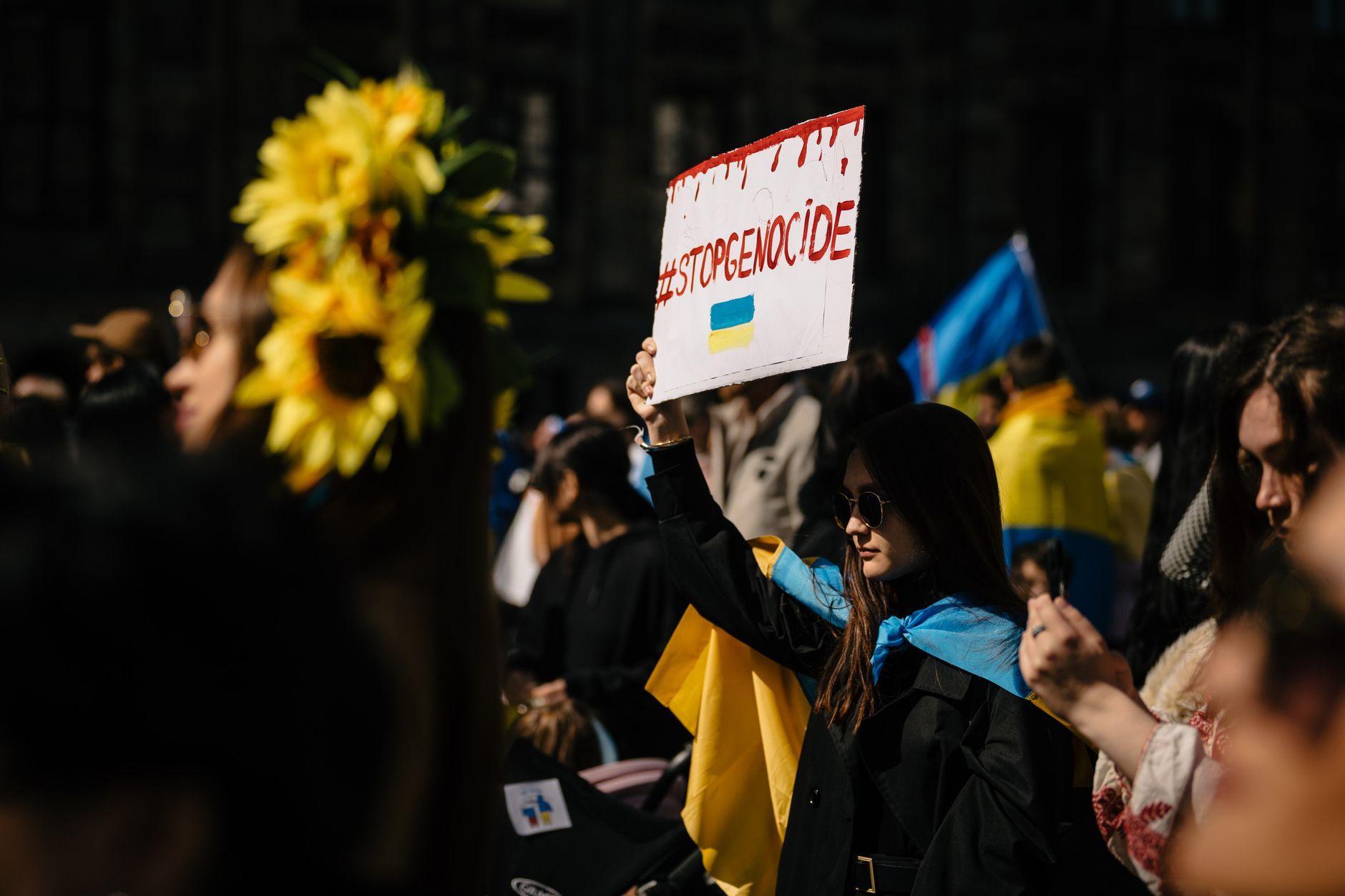
The ukrainian genocide has been a point of contention between Poland and Ukraine for decades, with both countries having vastly different perspectives on the events that transpired during World War II. The killings of many thousands of civilians during this time period have left a lasting impact on the relationship between the two nations.
Poland has long maintained that the actions of Ukrainian nationalists during World War II constitute a genocide, while Ukraine has pushed back against this characterization. This disagreement has led to a significant amount of tension between the two countries, with each side presenting its own version of history.
Understanding the Ukrainian Genocide
To grasp the complexities of the ukrainian genocide, it is essential to examine the historical context in which these events took place. During World War II, Ukraine was occupied by both German and Soviet forces, leading to a significant amount of violence and bloodshed.
The Ukrainian Insurgent Army (UPA), a nationalist group, was formed during this time period and was involved in the killing of many Polish civilians. The UPA’s actions have been widely condemned, and Poland has sought to have these events recognized as a genocide.
Polish-Ukrainian Relations
The ukrainian genocide has had a lasting impact on the relationship between Poland and Ukraine. The two countries have struggled to come to terms with their shared history, and this has led to a significant amount of tension.
Despite efforts to improve relations, the issue of the ukrainian genocide remains a point of contention. Poland has pledged to create a memorial to the victims of the genocide, a move that has been met with resistance from Ukraine.
Some of the key issues surrounding the ukrainian genocide include:
- The definition of genocide and whether the actions of the UPA constitute such
- The number of victims and the extent of the violence
- The role of the UPA and other nationalist groups in the killings
- The response of the international community to these events
Implications and Questions to Watch
The ukrainian genocide is a complex and sensitive topic, and its implications are far-reaching. As the international community continues to grapple with the legacy of World War II, it is essential to consider the following questions:
How will the creation of a memorial to the victims of the ukrainian genocide impact Polish-Ukrainian relations? Will it lead to increased tensions or will it serve as a step towards reconciliation?
How will the international community respond to the ukrainian genocide, and what implications will this have for global politics and international relations?
Conclusion
The ukrainian genocide is a painful reminder of the devastating consequences of violence and hatred. As we move forward, it is essential to acknowledge the past and work towards a more just and equitable future for all. The ukrainian genocide serves as a stark reminder of the importance of promoting tolerance, understanding, and peace.
Source: bbc.co.uk.





Be First to Comment