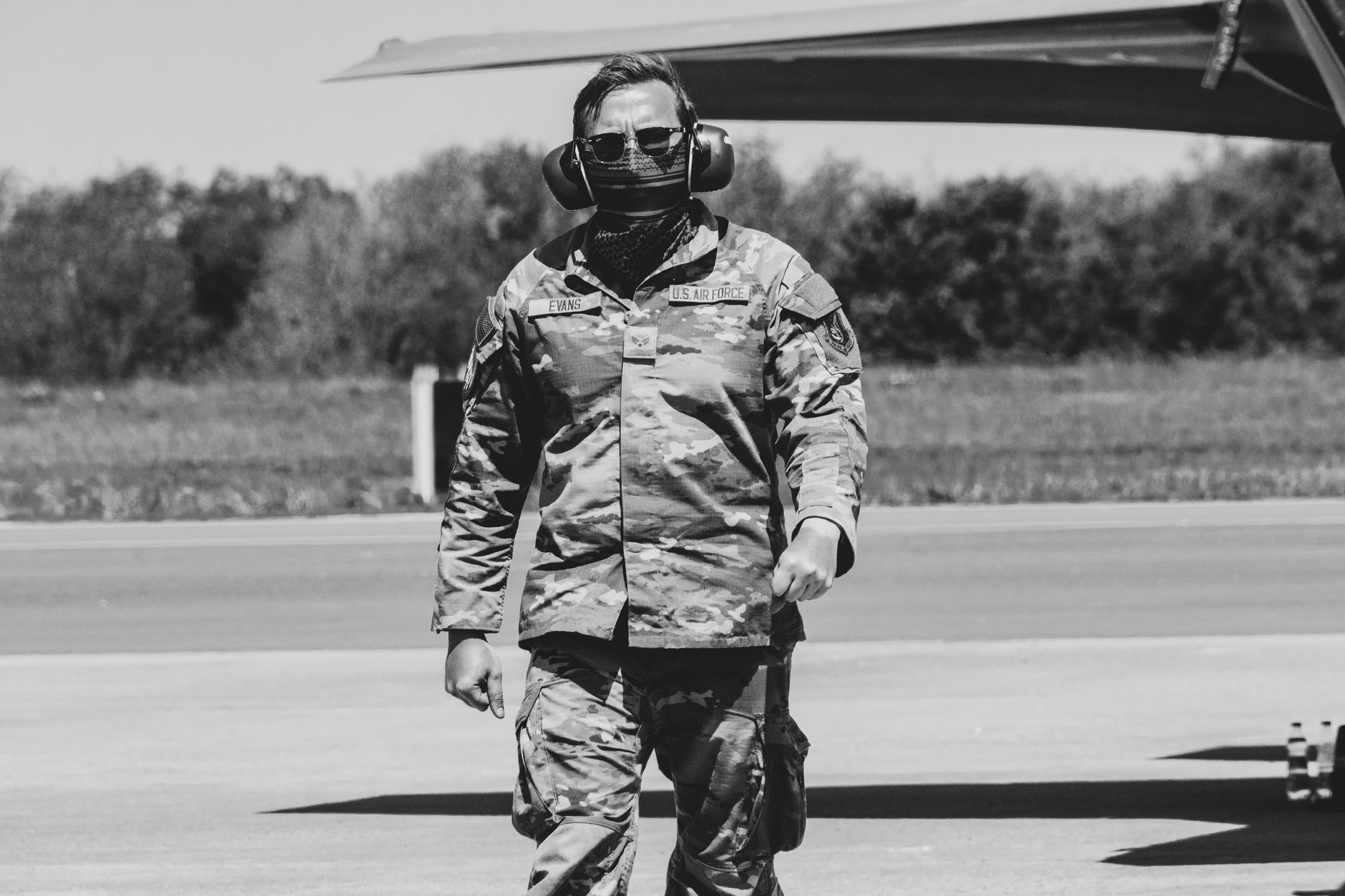
The US defence secretary’s recent announcement of a review of US europe forces in Europe has sent shockwaves throughout the global community, sparking concerns about the future of global security. The move follows a US decision to scale back its commitments to a high readiness force within the alliance, leaving many to wonder what this means for the future of European defence. US europe forces have long been a cornerstone of European security, and any changes to their presence could have significant implications.
The US has a long history of military involvement in Europe, dating back to the aftermath of World War II. The creation of the North Atlantic Treaty Organization (NATO) in 1949 marked a significant shift in the US approach to European security, as the US committed to defending its European allies against the threat of Soviet aggression. Since then, the US has maintained a significant military presence in Europe, with tens of thousands of troops stationed across the continent.
US Europe Forces: A History of Cooperation
US europe forces have played a critical role in maintaining European security, from the Cold War to the present day. The US has worked closely with its European allies to deter Soviet aggression, and later to address the threats posed by terrorism and instability in the Balkans. The US has also provided significant financial and military support to its European allies, helping to build their defence capabilities and promote stability in the region.
However, in recent years, there have been growing concerns about the sustainability of the US commitment to European defence. The US has faced significant budget pressures, and there have been calls for the US to reduce its military presence in Europe. The US defence secretary’s announcement of a review of US europe forces in Europe has sparked concerns that the US may be preparing to scale back its commitment to European security.
Implications of US Europe Forces Cuts
The implications of US europe forces cuts could be significant, both for Europe and for the wider world. A reduction in the US military presence in Europe could create a power vacuum, potentially allowing other nations to fill the gap. This could lead to increased tensions and instability in the region, and potentially even conflict. The US europe forces cuts could also have significant economic implications, as the US military presence in Europe is a significant contributor to local economies.
- Potential loss of jobs and economic activity
- Reduced investment in European defence capabilities
- Increased reliance on other nations for defence and security
The US defence secretary’s announcement has sparked a lively debate about the future of European security, with some arguing that the US should maintain its current level of commitment, while others argue that the US should reduce its presence and allow European nations to take greater responsibility for their own defence. As the review of US europe forces in Europe gets underway, it is clear that the stakes are high, and the outcome will have significant implications for global security.
US Europe Forces: A New Era
As the US reviews its military presence in Europe, it is clear that the US europe forces are entering a new era. The US will need to balance its own defence priorities with the needs and expectations of its European allies, and to navigate the complex geopolitical landscape of the 21st century. The US defence secretary’s announcement has sparked a critical debate about the future of European security, and it is clear that the outcome will have significant implications for the US, Europe, and the wider world.
Conclusion
In conclusion, the US defence secretary’s announcement of a review of US europe forces in Europe has significant implications for global security. The US has a long history of military involvement in Europe, and any changes to its presence could have far-reaching consequences. As the review gets underway, it is clear that the stakes are high, and the outcome will have significant implications for the US, Europe, and the wider world.
Source: bbc.com.





Be First to Comment