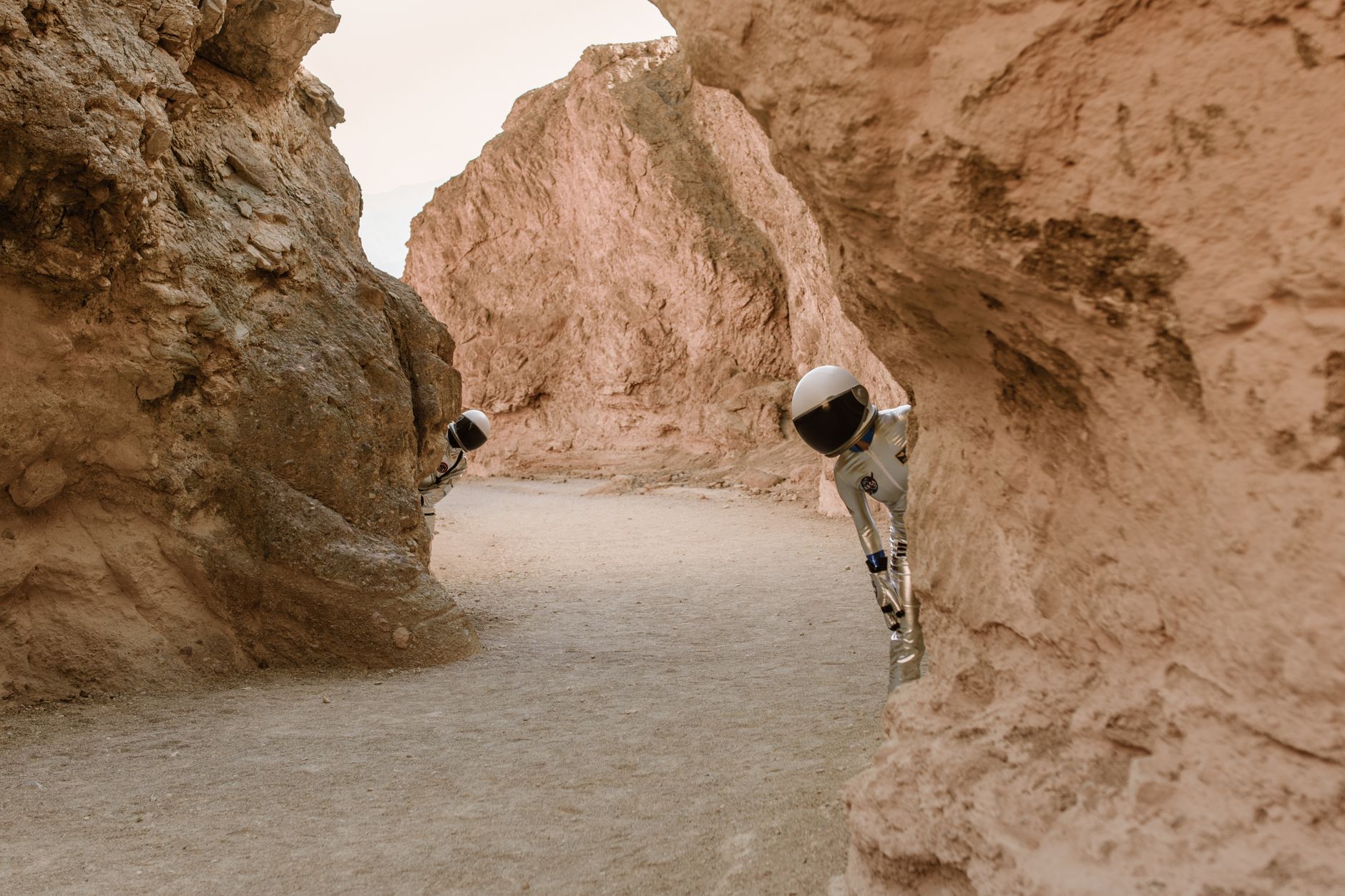
The Mars Curiosity rover has been ascending up Mount Sharp, surveying bands of exposed rocks with distinct textural and tonal differences, providing valuable insights into the planet’s geological history. Mars curiosity is a key aspect of the mission. The rover’s recent activities have included brushing and analyzing bedrock targets, as well as collecting Mastcam mosaics of the surrounding landscape.
The Mars Curiosity team has been working to overcome challenges in communicating with the rover, including a recent delay in downlinking data. However, the team has been able to plan and execute a series of activities, including a 360-degree Mastcam mosaic and automatic AEGIS targeting of LIBS measurements.
Mars Curiosity: Understanding the Bands
The bands of exposed rocks on Mars are a key area of study for the Curiosity rover. By analyzing the texture and tone of these rocks, scientists can gain a better understanding of the planet’s geological history and the processes that have shaped its surface. The Mars curiosity rover is well-equipped to study these bands, with a range of instruments including the Alpha Particle X-Ray Spectrometer (APXS) and the Chemistry and Camera (ChemCam) instrument.
Challenges and Opportunities
Despite the challenges faced by the Mars Curiosity team, the mission has provided a wealth of new information about the planet. The rover’s findings have helped scientists to better understand the Martian geology and to identify potential biosignatures. As the mission continues, the team will face new challenges and opportunities, including the need to navigate the rover through difficult terrain and to communicate with Earth over vast distances.
Key Findings and Implications
The Mars Curiosity rover has made several key findings during its survey of the bands on Mars. These include the discovery of layered rocks and the identification of distinct tonal differences between different areas of the planet’s surface. The implications of these findings are significant, as they provide new insights into the Martian geology and the potential for life on the planet.
- The Mars Curiosity rover has surveyed bands of exposed rocks on Mars, providing valuable insights into the planet’s geological history.
- The rover’s findings have helped scientists to better understand the Martian geology and to identify potential biosignatures.
- The mission has faced challenges, including delays in downlinking data and difficulties in navigating the rover through difficult terrain.
Conclusion and Future Directions
The Mars Curiosity rover has made significant contributions to our understanding of the planet and its geology. As the mission continues, the team will face new challenges and opportunities, including the need to navigate the rover through difficult terrain and to communicate with Earth over vast distances. The Mars curiosity rover will continue to survey the bands on Mars, providing new insights into the planet’s history and the potential for life on the planet.
Source: science.nasa.gov.






Be First to Comment