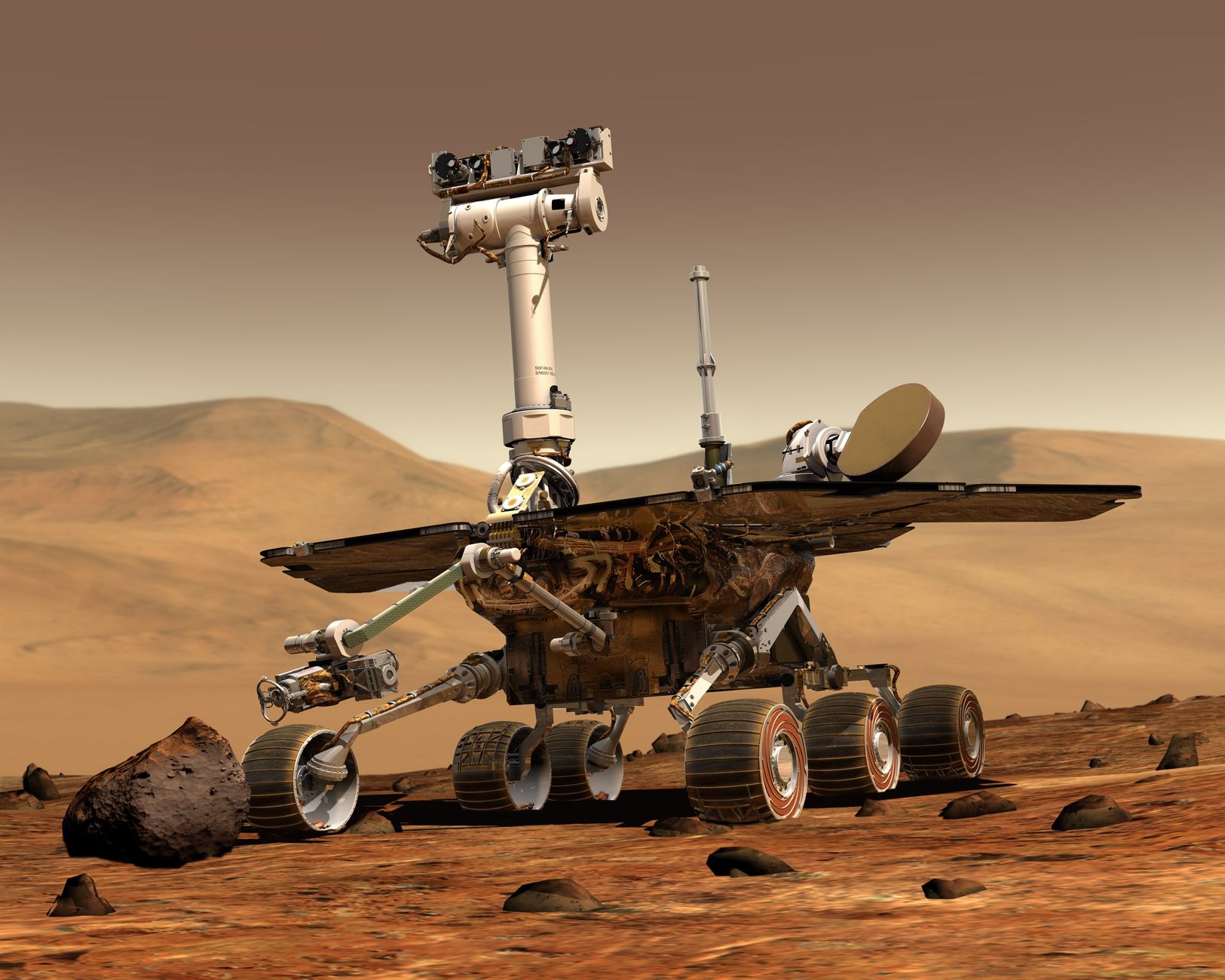
NASA’s mars science mission is set to launch in 2028, marking a significant milestone in the agency’s efforts to advance our understanding of the red planet. The mission, dubbed Aeolus, will provide the first integrated, daily, global view of Martian winds, temperatures, dust, and clouds. By improving models for dust, winds, temperature, and seasonal atmospheric behavior, Aeolus will generate the detailed environmental knowledge required to reduce risk for future crewed and uncrewed landings.
The Aeolus payload suite includes four NASA-built instruments, each designed to provide unique insights into the Martian atmosphere. The Doppler Wind and Temperature Sounder (DWTS-Ozone) measures wind and temperature profiles from the surface up to approximately 37 miles. The Thermal Limb Sounder (TLS) provides vertical temperature profiles and observations of dust and water-ice clouds. The Surface Radiometric Sensor Package (SuRSeP) measures surface energy balance, dust, and cloud properties. The Wide-Field Context Camera (WFCC) captures daily global images of atmospheric activity.
Mars Science and the Search for Life
The search for life on Mars is a longstanding goal of NASA’s mars science program. By studying the Martian atmosphere and surface, scientists hope to gain a better understanding of the planet’s potential for supporting life. The Aeolus mission will play a critical role in this effort, providing valuable data on the Martian environment and its potential for supporting life.
NASA’s mars science program has a long history of achievement, with numerous missions having explored the Martian surface and atmosphere. The Mars Reconnaissance Orbiter, Mars Odyssey, and MAVEN (Mars Atmosphere and Volatile Evolution) are just a few examples of the many missions that have contributed to our understanding of the red planet.
Public-Private Partnerships and Mars Science
The Aeolus mission is a prime example of the power of public-private partnerships in advancing mars science. By partnering with Relativity Space, NASA is able to leverage commercial investment and development capacity, allowing the agency to focus resources on high-value science. This approach enables more frequent opportunities to gather critical data about Mars, data essential to safely navigating the Martian atmosphere and ultimately landing humans on the surface.
- Improved understanding of the Martian atmosphere and surface
- Enhanced ability to predict and prepare for future missions
- Increased opportunities for scientific discovery and exploration
The partnership between NASA and Relativity Space is a significant step forward for mars science, demonstrating the potential for public-private collaborations to drive innovation and advancement in the field. As NASA continues to push the boundaries of what is possible in space exploration, partnerships like this will play an increasingly important role in achieving the agency’s goals.
Implications and Future Directions
The success of the Aeolus mission will have significant implications for the future of mars science and space exploration. By providing valuable data on the Martian atmosphere and surface, the mission will help to inform and shape future missions, including those aimed at establishing a human presence on the red planet. As NASA and its partners continue to advance our understanding of Mars, we can expect to see new and exciting developments in the field, from improved technologies and instruments to enhanced capabilities for exploration and discovery.
Conclusion
In conclusion, NASA’s mars science mission is an exciting and important development in the field of space exploration. With its advanced instruments and public-private partnership, the Aeolus mission is poised to make significant contributions to our understanding of the Martian atmosphere and surface. As we look to the future, it is clear that mars science will continue to play a critical role in shaping our understanding of the universe and our place within it.
Source: nasa.gov.






Be First to Comment