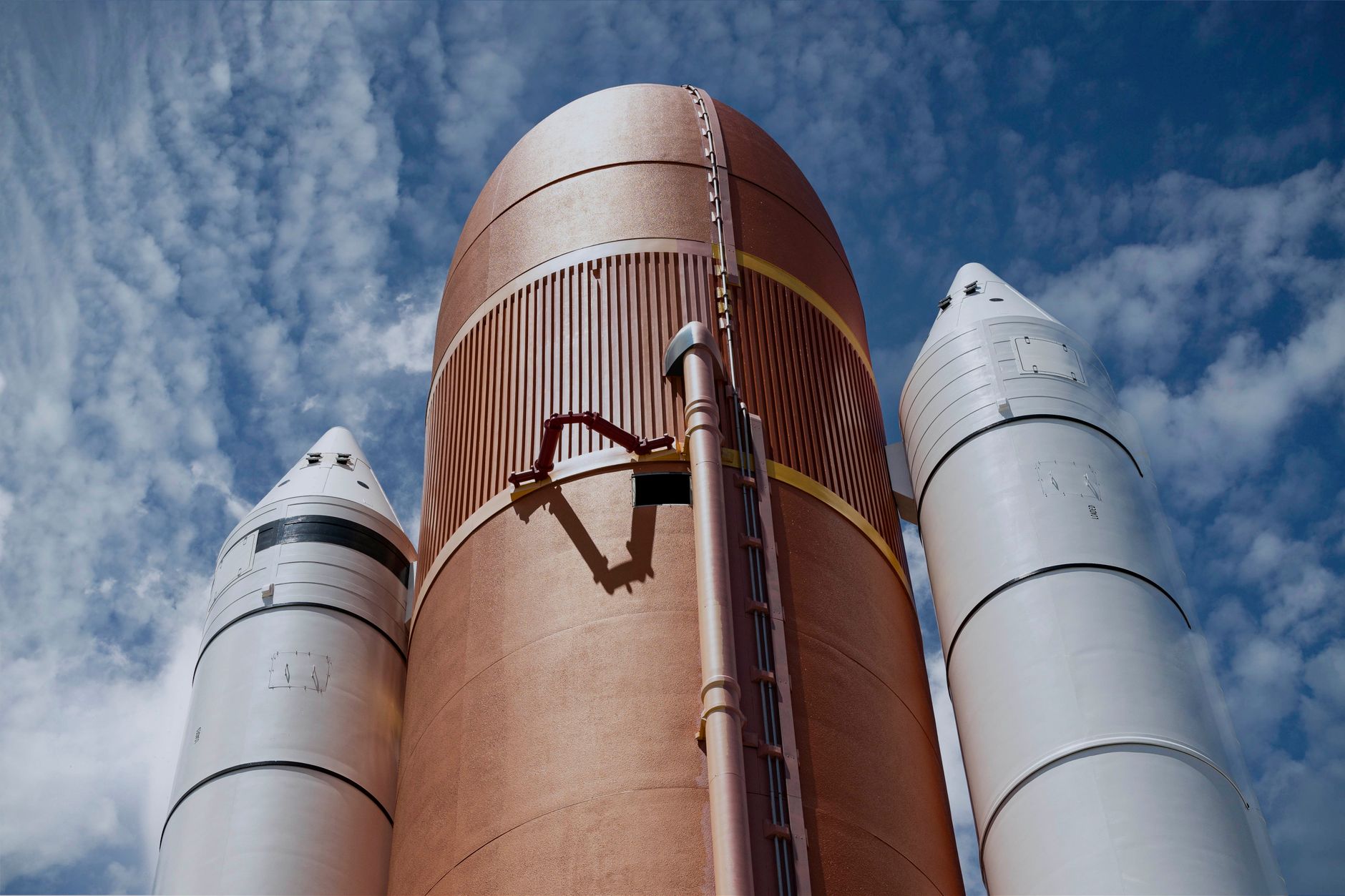
Eric Fernandez, a telemetry engineer at NASA, has spent 17 years working on launch services, including 27 launches for the agency. Growing up on the central California coast, watching rocket launches with his father was part of Fernandez’s childhood routine. However, he never imagined that one day this would be his career. Fernandez had posters of rockets on the wall, but despite being fascinated by them, he never thought he would work for NASA.
After high school, Fernandez worked as a painter for several years, but he eventually found a job at his future father-in-law’s appliance store, where he worked as a technician, repairing and installing appliances. He excelled at the work and planned to stay there, but then he got a call about an opening for a telemetry position at NASA.
NASA Telemetry: A Crucial Part of Launch Services
Fernandez wasn’t sure what telemetry meant, but he was happy to learn. He went for an interview at a NASA building on the military base and was introduced to the world of telemetry. He saw oscilloscopes, screens with squiggly lines, and lots of blinking lights, and he was curious. The team liked his background, especially his electronics experience, his troubleshooting skills, and his ability to solder.
Fernandez received an offer for a technician position from a company that provided support to NASA under the Expendable Launch Vehicle Integrated Support, or ELVIS, contract. He decided to change career paths and start a new career as a contractor working with NASA, supporting its Launch Services Program. That was 17 years ago, and he has been working there ever since, advancing to telemetry engineer in 2019.
The Importance of Telemetry in Launch Services
Telemetry is the collection of remote measurements that let NASA know the rocket is healthy when it’s fueling on the pad, when it’s in flight, and when it’s placing a spacecraft into the proper orbit. It’s the job of telemetry engineers like Fernandez to make sure decision makers have all the right data to make the right calls in real time. They can’t afford to give them bad data.
Fernandez’s team has multiple ways of getting the data when a rocket is on the launch pad, including ground data streams and radio frequencies link. Each data path is carefully tested beforehand using tools like bit-error-rate tests, called BERTs, that send pseudo-random patterns to help determine the health of the networks. Once the data is received, the team verifies it using frame sync patterns and word counters, sequenced data embedded in the stream.
Challenges and Opportunities in NASA Telemetry
The entire process requires extensive planning, coordination, and constant learning as the industry continues to innovate. Fernandez credits his teammates, describing his team as ‘iron sharpening iron.’ He says that you’re going to be humbled because the technology is always moving forward, and a new challenge is going to arise, but there’s nothing they haven’t conquered, and there’s not a problem they haven’t figured out yet.
Some of the key challenges and opportunities in NASA telemetry include:
- Staying up-to-date with the latest technology and innovations
- Ensuring the accuracy and reliability of telemetry data
- Collaborating with other teams and stakeholders to ensure successful launches
- Continuously learning and improving processes and procedures
Conclusion: The Future of NASA Telemetry
Eric Fernandez’s story is a testament to the importance of NASA telemetry in launch services. With 17 years of experience and 27 launches under his belt, he is a true expert in his field. As NASA continues to explore the Moon, Mars, and beyond, the role of telemetry engineers like Fernandez will only become more critical. With the agency’s plans to strengthen its core capabilities by bringing mission-critical positions into the civil service, the future of NASA telemetry looks bright.
Source: nasa.gov.





Be First to Comment