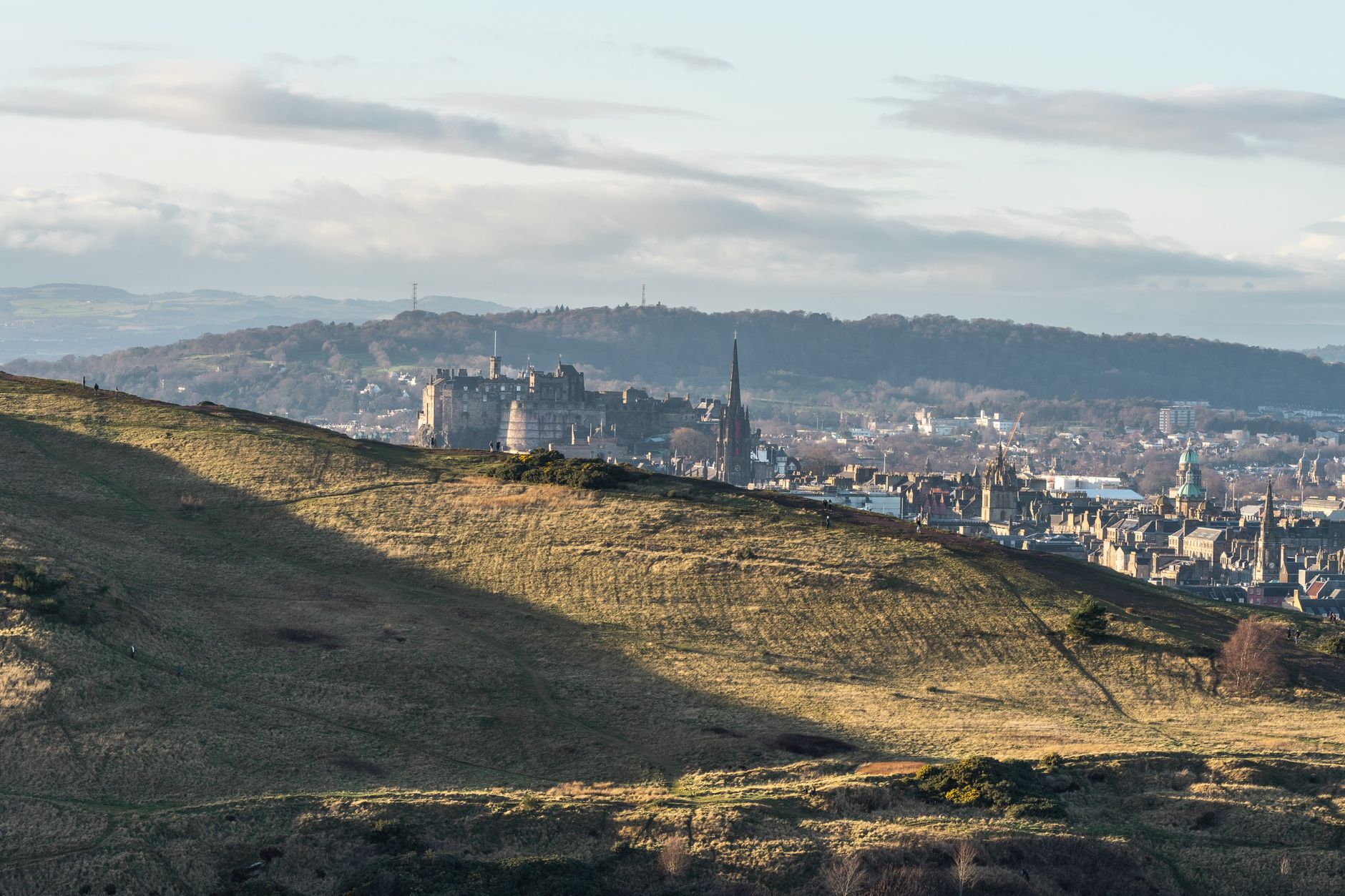
The holyrood ceremony, a grand event featuring pageantry, poetry, drama, and music, marked the beginning of the seventh session of Holyrood, Scotland’s parliament. This ceremony is a significant event in Scotland’s political calendar, setting the tone for the new session. The seventh session of Holyrood is expected to be crucial, with various key reforms and policies on the agenda.
The ceremony is an opportunity for the King to address the Members of the Scottish Parliament (MSPs) and outline his vision for the future of Scotland. The King’s speech is expected to focus on building a fair and prosperous society, with a strong emphasis on social justice and equality.
Holyrood Ceremony and its Significance
The holyrood ceremony is a time-honored tradition that dates back to the 17th century. It is a symbol of the Scottish parliament’s rich history and its commitment to democracy and accountability. The ceremony is an opportunity for the King to engage with MSPs and the people of Scotland, and to promote a sense of national unity and purpose.
The seventh session of Holyrood is expected to be marked by significant reforms and policy initiatives. The Scottish government has outlined its priorities, which include improving the economy, enhancing public services, and protecting the environment.
Key Reforms and Policy Initiatives
Some of the key reforms and policy initiatives that are expected to be implemented during the seventh session of Holyrood include:
- Improving the economy through investment in infrastructure and innovation
- Enhancing public services, including healthcare and education
- Protecting the environment through measures to reduce carbon emissions and promote sustainability
- Promoting social justice and equality through initiatives to address poverty and inequality
- Strengthening Scotland’s international relationships and promoting its interests abroad
The holyrood ceremony is an important event that sets the tone for the new session of Holyrood. It is an opportunity for the King to engage with MSPs and the people of Scotland, and to promote a sense of national unity and purpose. The seventh session of Holyrood is expected to be marked by significant reforms and policy initiatives, which will shape the future of Scotland.
Implications and Questions to Watch
The holyrood ceremony and the seventh session of Holyrood have significant implications for Scotland’s future. Some of the key questions to watch include: How will the Scottish government implement its priorities and policies? What will be the impact of the reforms and policy initiatives on the economy, public services, and the environment? How will the King’s vision for a fair and prosperous society be realized?
Conclusion
In conclusion, the holyrood ceremony is a significant event that marks the beginning of a new session of Holyrood. The seventh session is expected to be crucial, with various key reforms and policies on the agenda. The King’s vision for a fair and prosperous society is an important one, and it will be interesting to see how it is realized in the coming months and years.
The holyrood ceremony is an opportunity for the King to engage with MSPs and the people of Scotland, and to promote a sense of national unity and purpose. The seventh session of Holyrood is expected to be marked by significant reforms and policy initiatives, which will shape the future of Scotland. As the session progresses, it will be important to watch how the Scottish government implements its priorities and policies, and how the King’s vision for a fair and prosperous society is realized.
Future of Holyrood
The future of Holyrood is uncertain, but one thing is clear: the seventh session will be marked by significant reforms and policy initiatives. The holyrood ceremony is an important event that sets the tone for the new session, and it will be interesting to see how the Scottish government implements its priorities and policies. The King’s vision for a fair and prosperous society is an important one, and it will be interesting to see how it is realized in the coming months and years.
Source: bbc.co.uk.



Be First to Comment