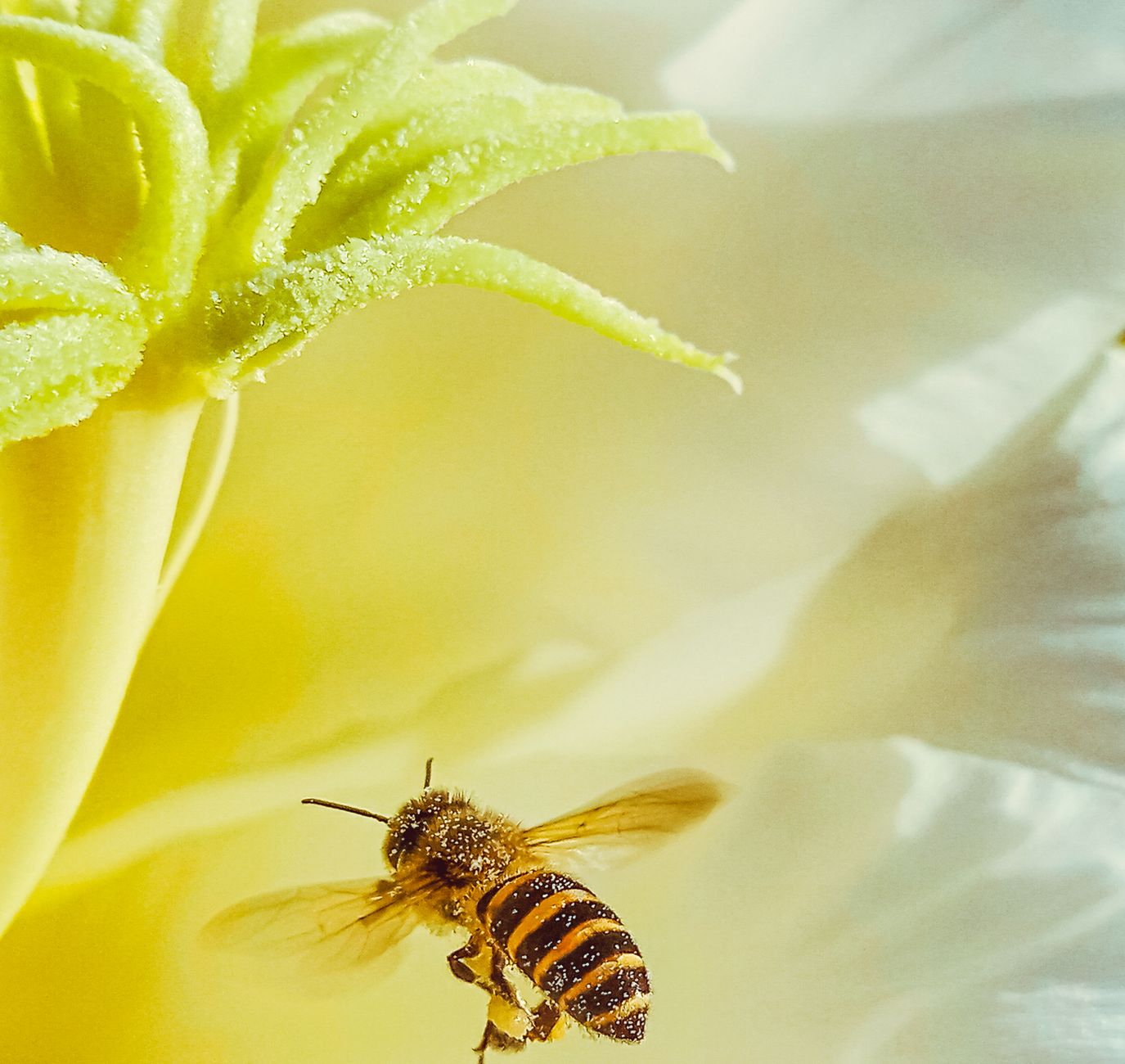
Native bees are facing a significant threat from extreme heat due to climate change. A major study of Australian native bees found that stem-nesting species may be the first to feel the impact of rising temperatures. Unlike bees that nest underground, they have few ways to escape dangerous heat.
The study discovered that tropical bees are particularly vulnerable, even when they are already adapted to hot environments. This suggests that bee behavior could be a key factor in determining which species survive a warming world. Native bees play a crucial role in pollinating plants and maintaining ecosystem health.
Native Bees and Climate Change
Climate change is altering the delicate balance of ecosystems, and native bees are among the most affected species. Rising temperatures are changing the distribution of plants and animals, making it difficult for bees to adapt. The study highlights the need for urgent action to mitigate the effects of climate change on native bees.
The impact of climate change on native bees is not limited to Australia. Bees around the world are facing similar threats, and it is essential to understand the global implications of this issue. The study’s findings have significant implications for conservation efforts and highlight the need for a coordinated approach to protect native bees.
Conservation Efforts
Conservation efforts are underway to protect native bees and their habitats. This includes creating bee-friendly gardens, reducing pesticide use, and protecting natural habitats. However, more needs to be done to address the scale and complexity of the issue.
Some key strategies for conserving native bees include:
- Planting native flowers that provide a source of nectar and pollen
- Creating bee hotels and other habitats for solitary bees
- Reducing pesticide use and promoting integrated pest management
- Protecting and restoring natural habitats, such as meadows and forests
These strategies can help to support native bee populations and mitigate the effects of climate change. However, it is essential to address the root causes of the issue, including greenhouse gas emissions and habitat destruction.
Implications and Questions to Watch
The study’s findings have significant implications for the future of native bees and the ecosystems they inhabit. As the climate continues to change, it is likely that native bees will face even greater challenges. Some key questions to watch include:
How will native bees adapt to changing environmental conditions, and what can be done to support their survival? What are the potential consequences of native bee decline for ecosystem health and food security? How can conservation efforts be scaled up to address the global implications of this issue?
Conclusion
In conclusion, native bees are facing a significant threat from extreme heat due to climate change. The study’s findings highlight the need for urgent action to protect these vital pollinators and the ecosystems they inhabit. By understanding the impacts of climate change on native bees and taking coordinated conservation efforts, we can work towards a future where these important species continue to thrive.
Source: sciencedaily.com.






Be First to Comment