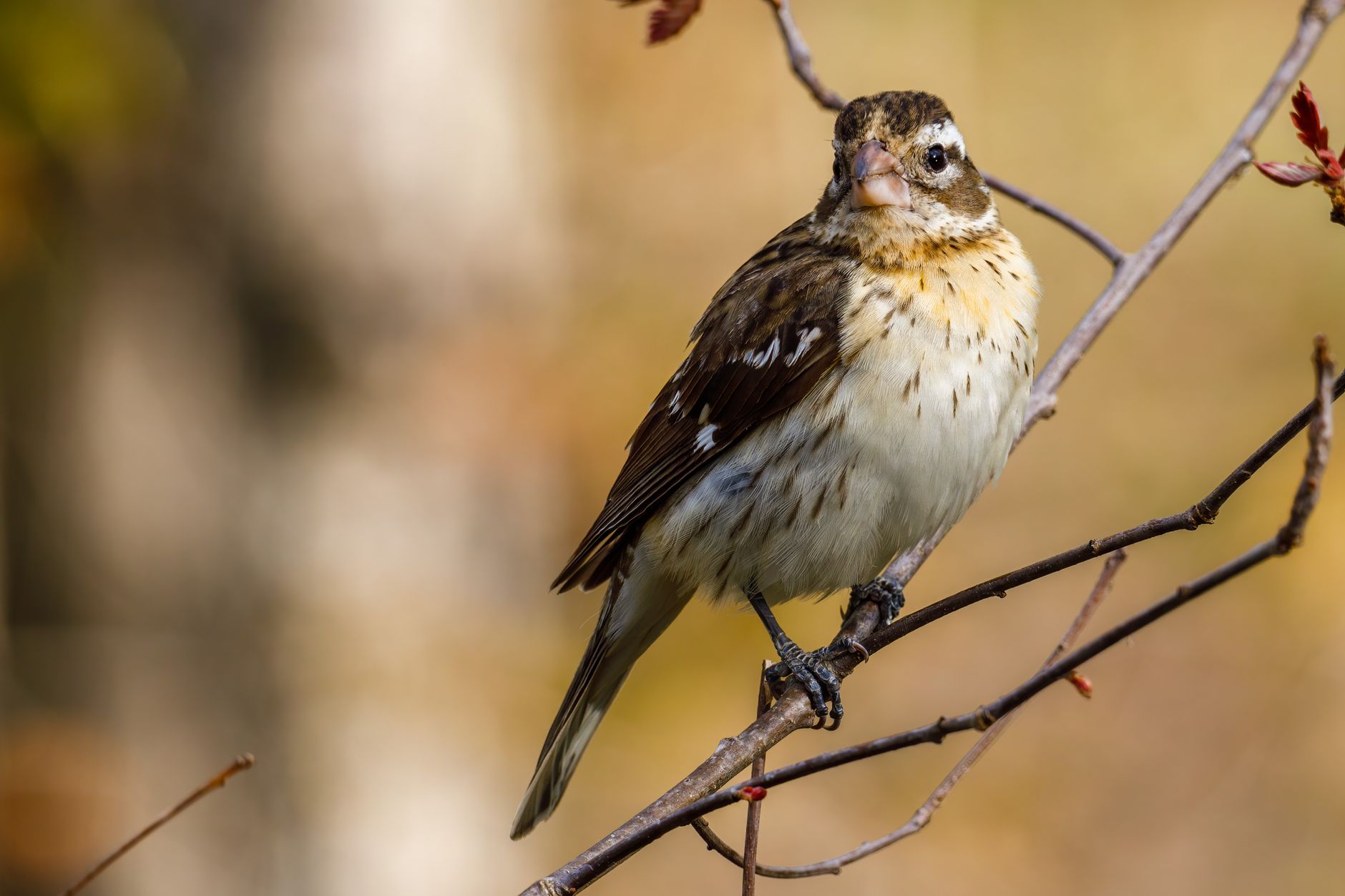
The concept of shelterbelts biodiversity has been a topic of discussion among conservationists and researchers, with a recent study revealing that the presence of shelterbelts can have a negative impact on bird populations, particularly in Japan’s wetland farming landscapes. Shelterbelts biodiversity is often seen as a way to protect farmland from wind and promote biodiversity, but this new research suggests that it may not be the case.
In fact, the study found that grassland bird abundance dropped by more than 70% near shelterbelts, which is a significant decline. This raises important questions about the effectiveness of shelterbelts in promoting biodiversity and the potential consequences for bird populations.
Shelterbelts Biodiversity: A Complex Issue
The relationship between shelterbelts and biodiversity is complex, and there are many factors at play. On the one hand, shelterbelts can provide habitat for some bird species and protect them from harsh weather conditions. On the other hand, they can also reduce the amount of open space available for other species, leading to a decline in their populations.
It’s essential to consider the specific context and location when evaluating the impact of shelterbelts on biodiversity. In the case of Japan’s wetland farming landscapes, the presence of shelterbelts may be beneficial for some bird species, but it’s clear that it’s not a universal solution for promoting biodiversity.
Conservation Implications
The findings of this study have significant implications for conservation efforts. It highlights the need for a more nuanced approach to promoting biodiversity, one that takes into account the specific needs and requirements of different species. Rather than relying solely on shelterbelts, conservationists may need to consider a range of strategies, including habitat restoration and the creation of open spaces.
- Shelterbelts can provide habitat for some bird species
- Shelterbelts can reduce open space for other species
- Context and location are crucial in evaluating the impact of shelterbelts
Ultimately, the goal of conservation efforts should be to promote biodiversity and protect ecosystems, rather than relying on a single solution. By taking a more holistic approach, we can work towards creating a more sustainable and resilient environment for all species.
Future Research Directions
Further research is needed to fully understand the impact of shelterbelts on biodiversity and to identify effective strategies for promoting biodiversity in different contexts. This could involve studying the effects of shelterbelts on other species, such as insects and small mammals, as well as exploring alternative approaches to conservation.
Conclusion
In conclusion, the study on shelterbelts biodiversity reveals a complex and multifaceted issue. While shelterbelts may have some benefits, they can also have significant negative impacts on bird populations. As we move forward, it’s essential to consider the specific needs and requirements of different species and to adopt a more nuanced approach to promoting biodiversity.
Source: sciencedaily.com.






Be First to Comment