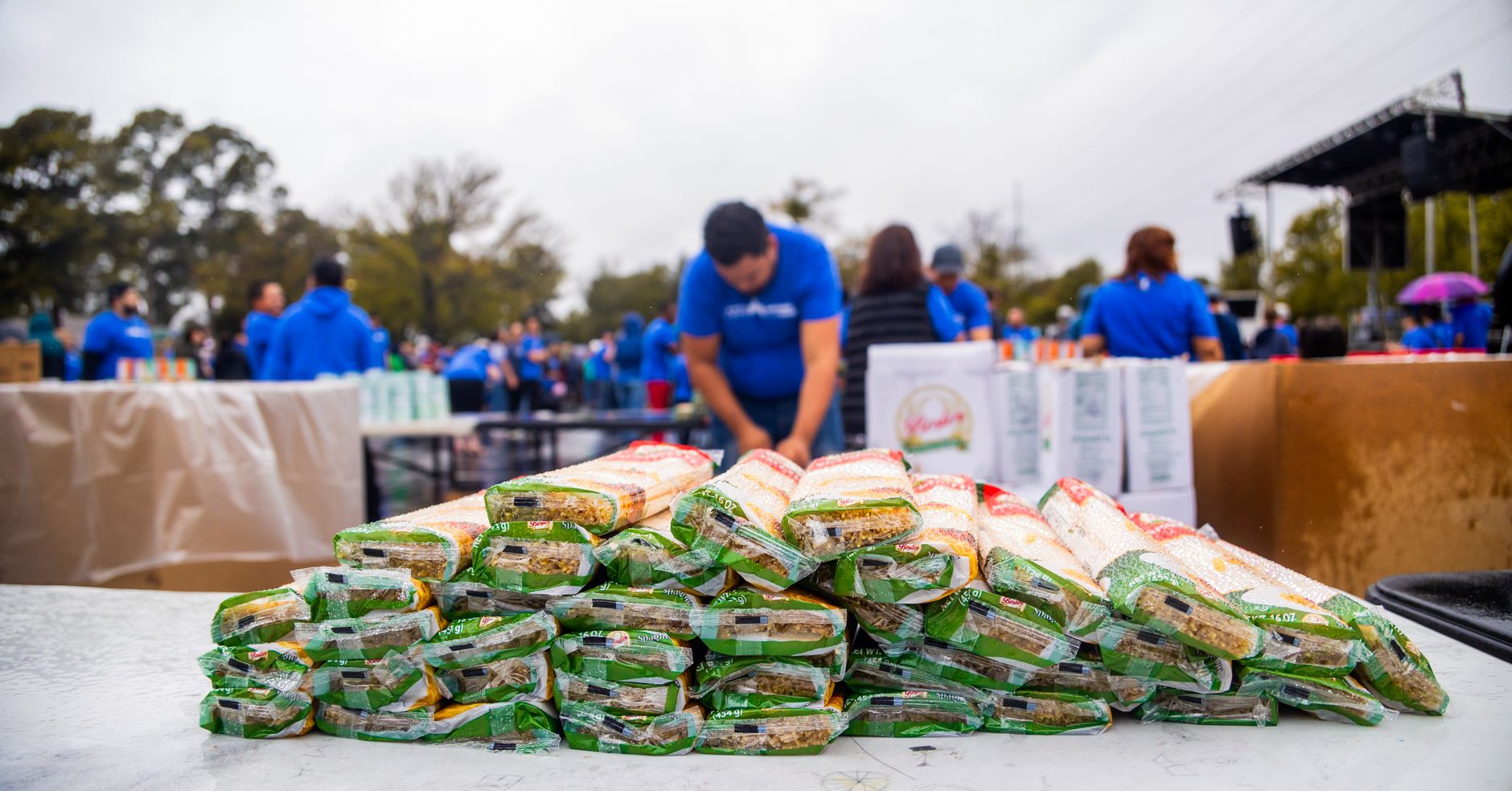
The food aid landscape is changing as the U.S. government looks to leverage food aid as a diplomatic tool, with nutrition bars piling up in U.S. factories. This shift in approach has led to producers seeking other delivery methods to reach starving children around the world. The traditional methods of food aid distribution have been criticized for being inefficient and ineffective in addressing the root causes of hunger.
One of the main challenges in food aid distribution is the logistics of delivering aid to remote areas. The cost of transportation, storage, and handling can be prohibitively expensive, making it difficult for aid to reach those who need it most. Furthermore, the traditional model of food aid has been criticized for creating dependence on foreign aid rather than promoting self-sufficiency.
Food Aid and Diplomacy
The use of food aid as a diplomatic tool is not new, but it has gained significant attention in recent years. The idea is that food aid can be used to promote stability, security, and economic development in regions that are vulnerable to conflict and instability. By providing food aid, the U.S. government can help to alleviate hunger and malnutrition, while also promoting American interests abroad.
However, critics argue that using food aid as a diplomatic tool can be problematic. It can create a power imbalance, where the recipient country is dependent on the donor country for food, rather than being able to produce its own food. This can undermine the recipient country’s ability to develop its own agricultural sector and can create long-term dependence on foreign aid.
Alternative Delivery Methods
In response to these challenges, producers are seeking alternative delivery methods that can help to address the root causes of hunger. One approach is to provide cash transfers or vouchers to families, rather than physical food aid. This approach allows families to purchase food from local markets, which can help to stimulate local economies and promote self-sufficiency.
- Cash transfers can be more efficient and cost-effective than traditional food aid
- Vouchers can help to promote local food systems and support small-scale farmers
- Alternative delivery methods can help to address the root causes of hunger, rather than just providing temporary relief
Another approach is to support local food production and agriculture. This can involve providing training and technical assistance to farmers, as well as supporting initiatives that promote sustainable agriculture and climate resilience. By supporting local food systems, it is possible to promote self-sufficiency and reduce dependence on foreign aid.
Implications and Questions to Watch
The shift in approach to food aid has significant implications for the future of humanitarian assistance. As the U.S. government looks to leverage food aid as a diplomatic tool, it is likely that there will be increased scrutiny of the effectiveness and efficiency of food aid programs. There are also likely to be questions about the impact of food aid on local economies and the environment.
Some of the key questions to watch in the coming years include: how will the use of food aid as a diplomatic tool impact the relationship between the U.S. government and recipient countries? How will alternative delivery methods, such as cash transfers and vouchers, be scaled up and integrated into existing food aid programs? And how will the shift in approach to food aid impact the ability of humanitarian organizations to respond to emergencies and support vulnerable populations?
Conclusion
In conclusion, the food aid landscape is changing, with the U.S. government looking to leverage food aid as a diplomatic tool and producers seeking alternative delivery methods. While there are challenges and criticisms associated with the traditional model of food aid, there are also opportunities for innovation and improvement. As the global community looks to address the root causes of hunger and promote self-sufficiency, it is likely that food aid will continue to play an important role in humanitarian assistance.
Source: npr.org.






Be First to Comment