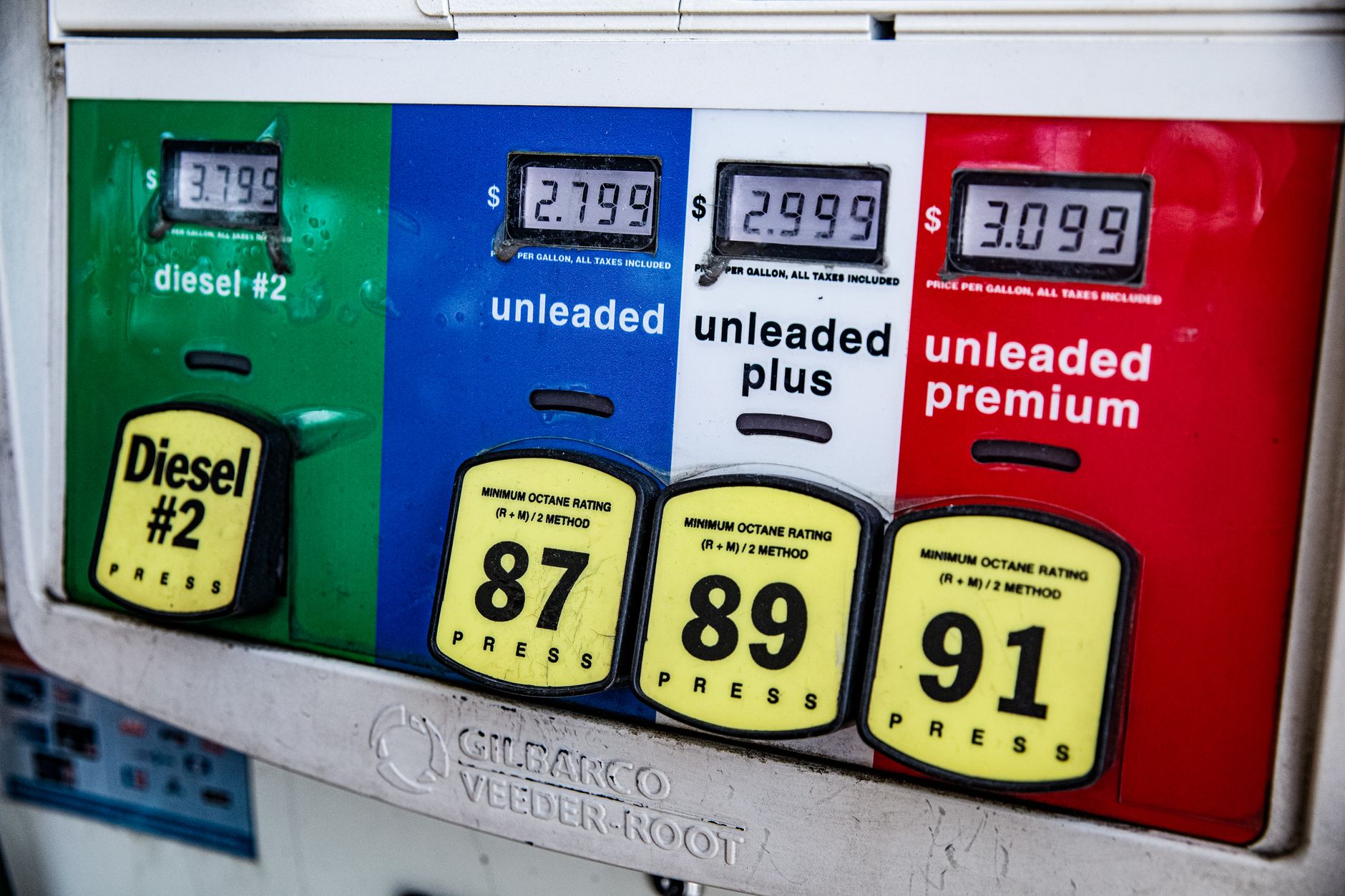
The oil price has been on a wild ride since Iran responded to US and Israeli attacks by effectively closing the Strait of Hormuz, a vital shipping lane for oil exports. This event has had a significant impact on the oil price, causing it to fluctuate rapidly. The oil price has now fallen to levels not seen since before the Iran war, sparking concerns about the future of global energy markets.
The oil price is a critical component of the global economy, and its fluctuations can have far-reaching consequences. The recent drop in the oil price has been driven by a combination of factors, including changes in global demand and the actions of major oil-producing countries.
Oil Price Volatility
The oil price has experienced significant volatility in recent years, driven by a range of factors including geopolitical tensions, changes in global demand, and the actions of major oil-producing countries. This volatility has made it challenging for investors and consumers to predict the future of the oil price.
One of the key drivers of the oil price is the global demand for oil. As the global economy grows, so too does the demand for oil. However, the rise of alternative energy sources, such as solar and wind power, has begun to erode the dominance of oil in the global energy market.
Impact on Global Energy Markets
The fall in the oil price has significant implications for global energy markets. The oil price is a key determinant of the cost of energy, and changes in the oil price can have a ripple effect throughout the economy. The recent drop in the oil price has led to a decrease in the cost of energy, which could have a positive impact on economic growth.
However, the fall in the oil price also has negative consequences for oil-producing countries, which rely heavily on oil exports to generate revenue. The drop in the oil price has led to a significant decline in revenue for these countries, which could have a negative impact on their economies.
- Decreased revenue for oil-producing countries
- Increased economic uncertainty
- Potential for increased investment in alternative energy sources
Expert Analysis
Experts believe that the oil price will continue to experience volatility in the coming years, driven by a range of factors including changes in global demand and the actions of major oil-producing countries. The rise of alternative energy sources is also expected to play a significant role in shaping the future of the oil price.
As the global energy market continues to evolve, it is likely that the oil price will remain a critical component of the economy. However, the increasing importance of alternative energy sources is expected to reduce the dominance of oil in the global energy market.
Conclusion
In conclusion, the oil price has fallen to levels not seen since before the Iran war, sparking concerns about the future of global energy markets. The oil price is a critical component of the global economy, and its fluctuations can have far-reaching consequences. As the global energy market continues to evolve, it is likely that the oil price will remain a key determinant of the cost of energy, but its importance is expected to decline as alternative energy sources become more prominent.
Source: bbc.co.uk.






Be First to Comment